
EUG 2026: Observer Programme
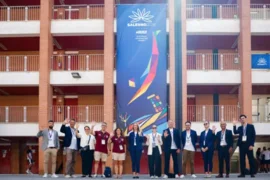
The European Universities Games 2026 Observer Programme officially commenced in Salerno on July 17, bringing together representatives of future and prospective host cities, National University Sports Associations and university sport stakeholders for four days of education, knowledge exchange and practical learning.
Running until July 20, the programme serves as a dedicated platform for future organisers of the European Universities Games to gain first-hand insight into the planning and delivery of a major multi-sport event. Through presentations, venue visits, operational briefings and discussions with EUSA representatives and the Local Organising Committee, participants are introduced to the key organisational processes behind the Games.
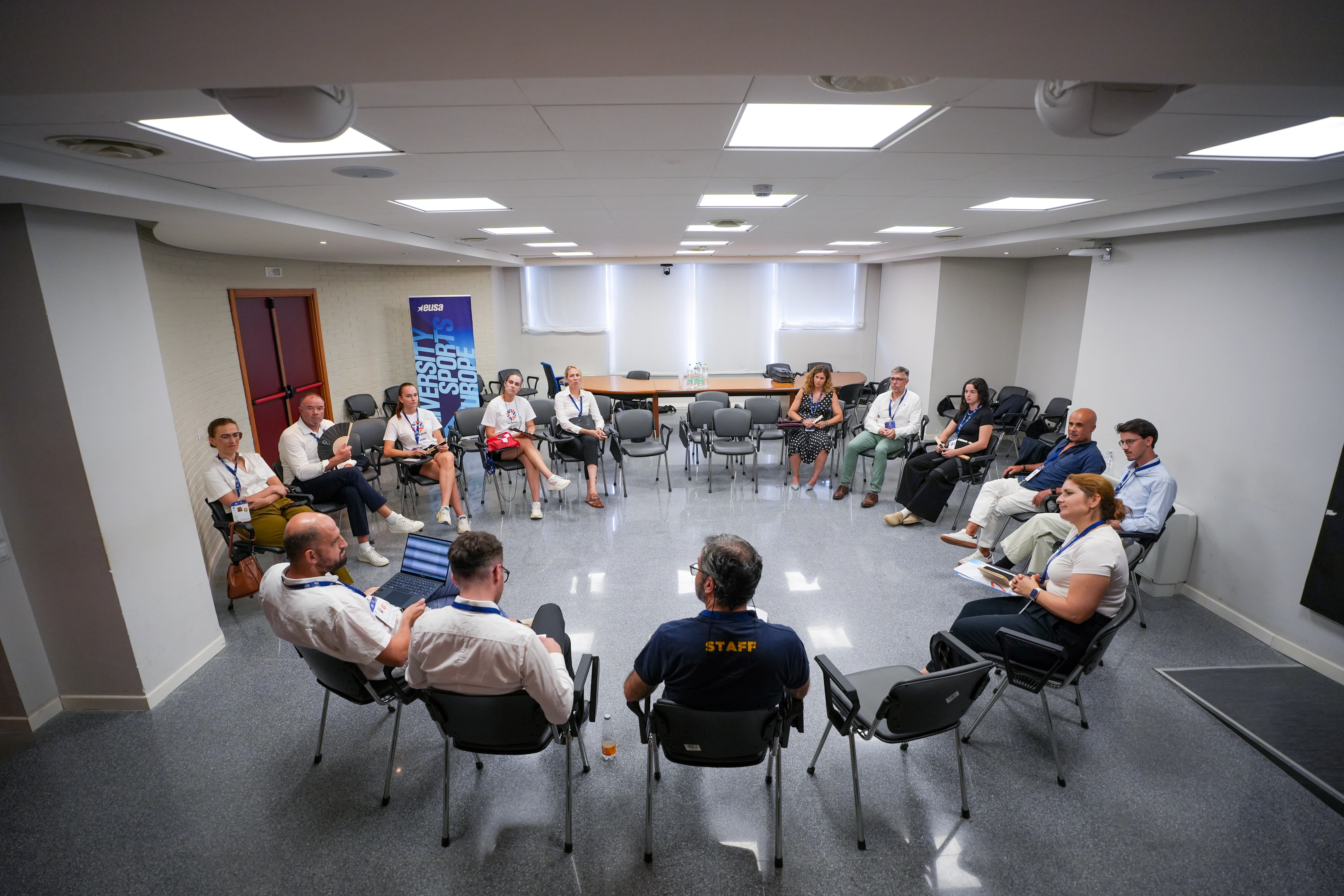
This year's Observer Programme welcomed a large delegation from the Organising Committee of the European Universities Games 2028 in Split, Croatia, representatives of the European Universities Games 2030 in Granada, Spain, as well as delegates from the host of the first European Universities Winter Games in Erzurum, Turkiye and representatives from Aveiro, Portugal, as an interested city for hosting the 2032 edition of the Games.
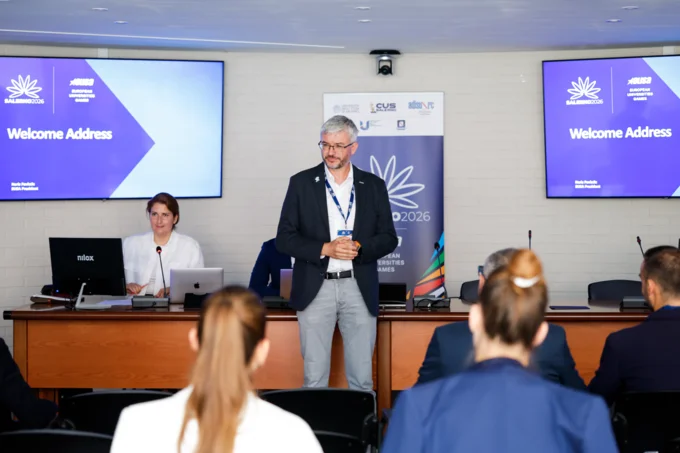
The educational programme officially began with welcome addresses delivered by EUSA President Haris Pavletic, who greeted the participants and emphasised the importance of sharing knowledge and strengthening cooperation among current and future organisers of Europe's largest university multi-sport event.
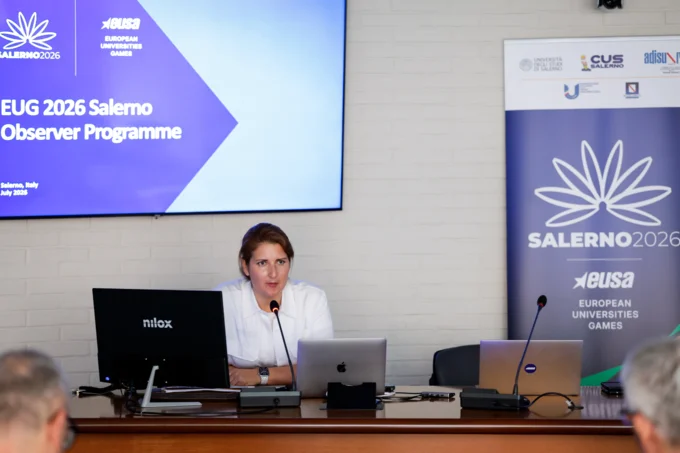
The programme continued with an introduction led by Observer Programme Manager Natasa Jankovic, who presented the objectives and structure of the programme. Now in its third edition, the Observer Programme has become a permanent EUSA initiative, providing a structured knowledge-sharing platform that enables future hosts to learn directly from experienced organisers while exchanging ideas and best practices.
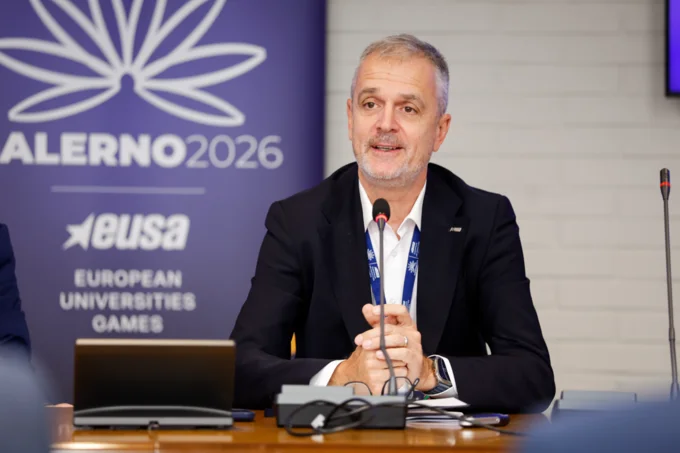
Participants then attended the session About EUSA & European Universities Games, presented by EUSA Secretary General Matjaz Pecovnik. Reflecting on the development of EUSA and its mission, he highlighted that the organisation is "a factory of opportunities" for students and young people, creating an environment where participants can learn, grow and succeed through university sport.
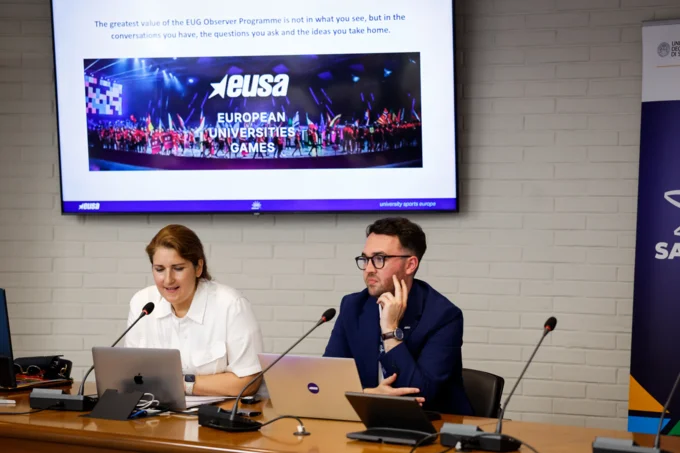
The morning programme also featured a series of operational presentations delivered by Liam Smith, EUSA Director of Sports Events, who guided delegates through the bidding procedure, event timeline and the key organisational documents that support the successful delivery of the European Universities Games.
Representing the Local Organising Committee, Michele Di Ruocco provided an overview of the preparations for the Games in Salerno. He thanked EUSA for its continuous support throughout the organisational process, noting that the record number of participants has presented significant challenges while expressing the Organising Committee's determination to deliver a successful edition of the Games.
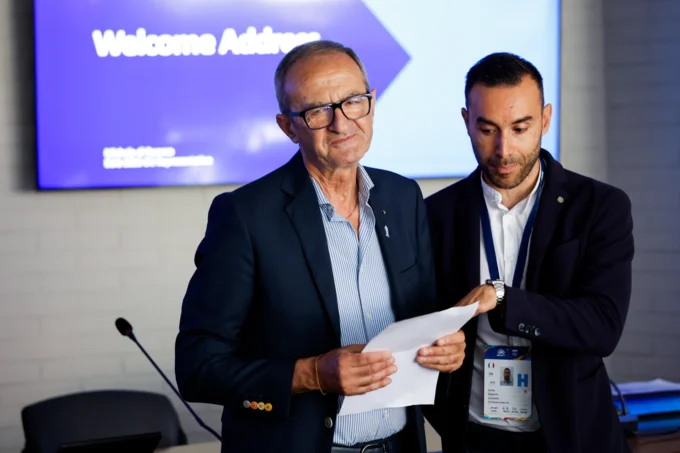
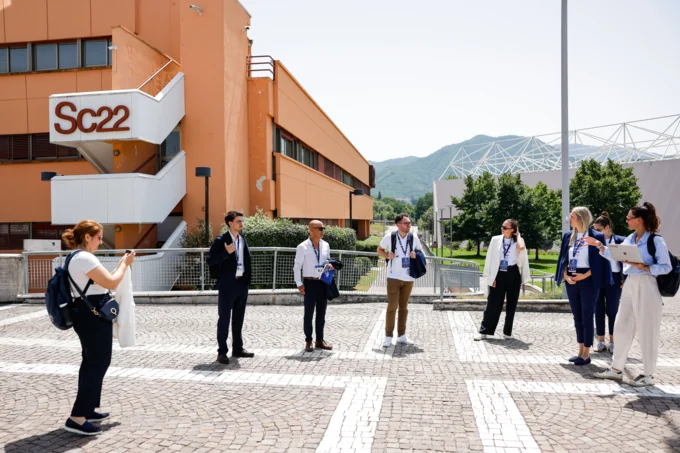
The afternoon shifted from presentations to practical observation as delegates attended the General Technical Meeting for Padel before visiting several operational areas, including accreditation, accommodation and catering services, as well as competition venues. Guided by EUSA representatives and members of the Local Organising Committee, participants gained valuable insight into the day-to-day operations required to stage an event of this scale.
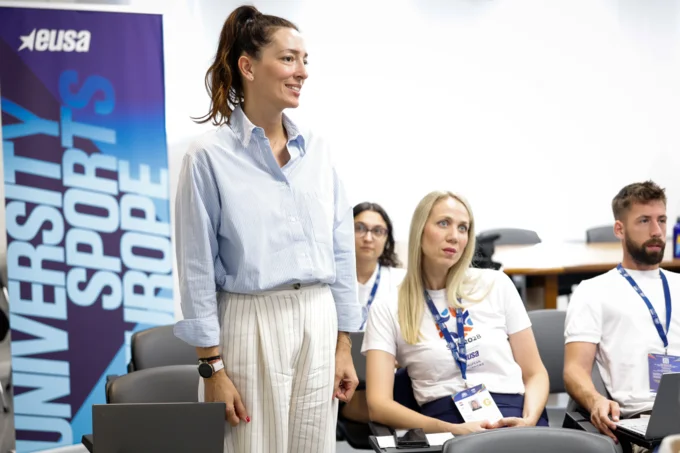
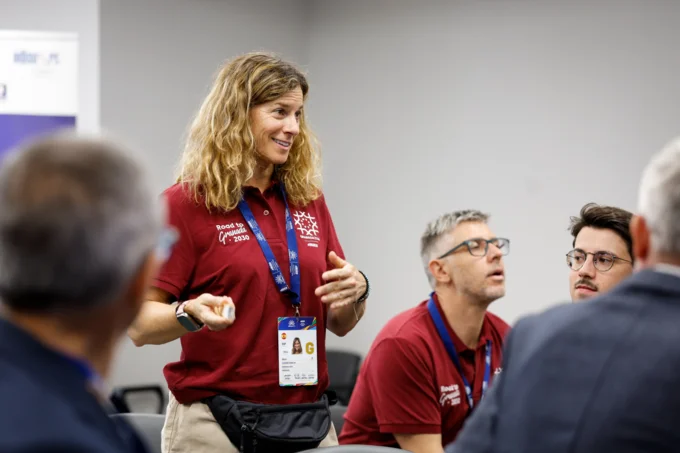
Over the following days, participants combined educational sessions with practical observation, visiting competition venues for Padel, Volleyball and Basketball, where they met with Technical Delegates and gained first-hand insight into the delivery of competitions and venue operations.
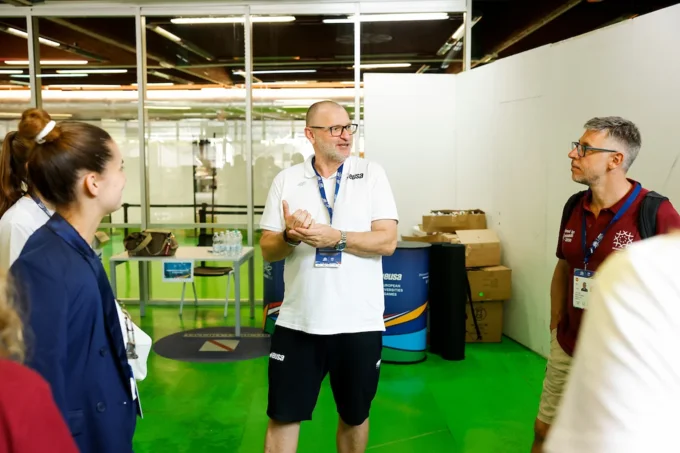
The programme also featured a series of interactive roundtable discussions focusing on media and communication, protocol and hospitality, and volunteer management. Led by experienced representatives like Peter Juhasz from EUG 2024, and Danilo Cunsolo and Cristina Pastore, from the EUG 2026 Local Organising Committee and EUSA, these sessions encouraged participants to exchange experiences, discuss challenges and explore best practices in organising large-scale university sporting events.
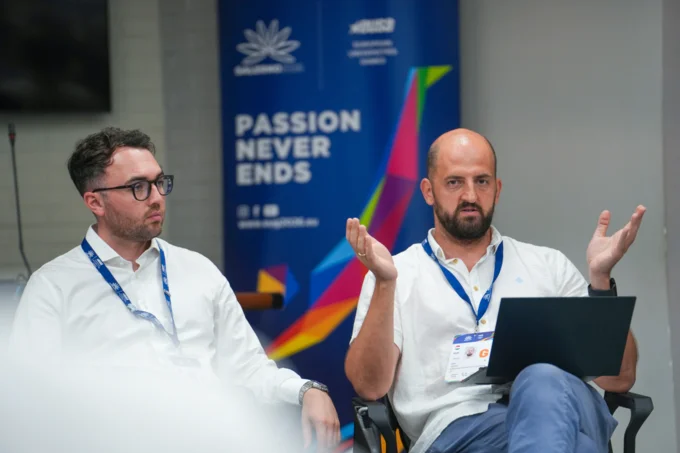
Beyond the educational activities, observers attended several key events held alongside the European Universities Games, including the Opening Ceremony, the EUSA Awards Ceremony, the signing of the Memorandum of Understanding between EUSA and FISU, and EUSA and EOA, the EUSA Forum and the official EUSA Reception. These occasions provided additional opportunities for networking and strengthening cooperation within the European university sport community.
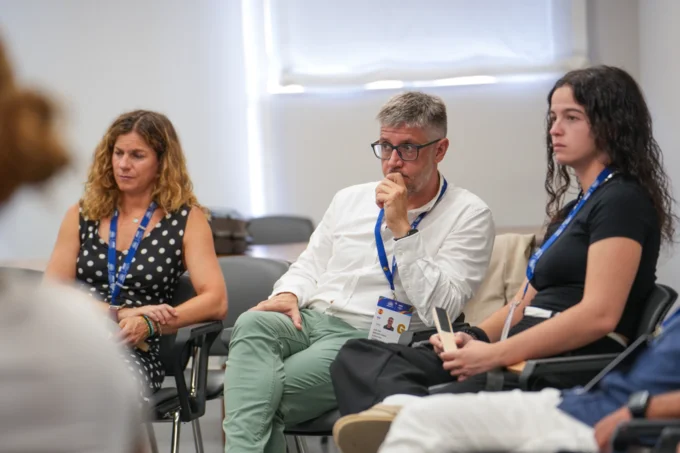
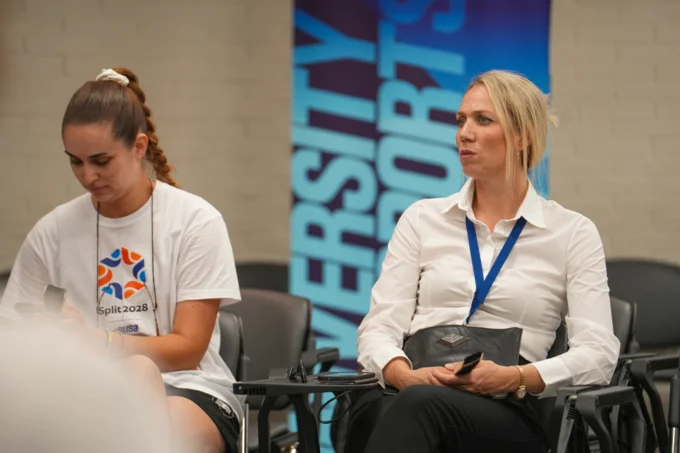
The Observer Programme officially concluded on July 20, marking the end of four days of knowledge sharing, operational learning and international collaboration. Through presentations, venue visits, practical demonstrations and direct dialogue with experienced organisers, participants left Salerno with a comprehensive understanding of the organisational and strategic aspects of hosting the European Universities Games, reinforcing the programme's role as an important educational platform for future editions.