
Successful EUSA Youth Exchange in Zagreb
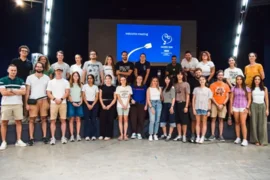
During the European Universities Rowing Championship in Zagreb, the EUSA Youth Exchange was also held, with a strong emphasis on youth opportunities, mobility, and volunteering in sport.
Co-funded by the European Union, youth exchanges are non-formal learning mobilities designed to bring together young people from different countries, engaging and empowering young people to become active citizens, strengthening their connection to the European project, and helping them acquire and develop competences that are valuable for both life and future careers. These exchanges are supported by the Erasmus+ programme of the European Union as one of its core mobility actions.
The Youth Exchange in Zagreb gathered 32 participants from four countries – Slovenia, Poland, Croatia, and Hungary, placing a strong emphasis on inclusion and active participation. Among the participants were young people with fewer opportunities, ensuring that the programme provided an accessible environment for learning, interaction and personal development.
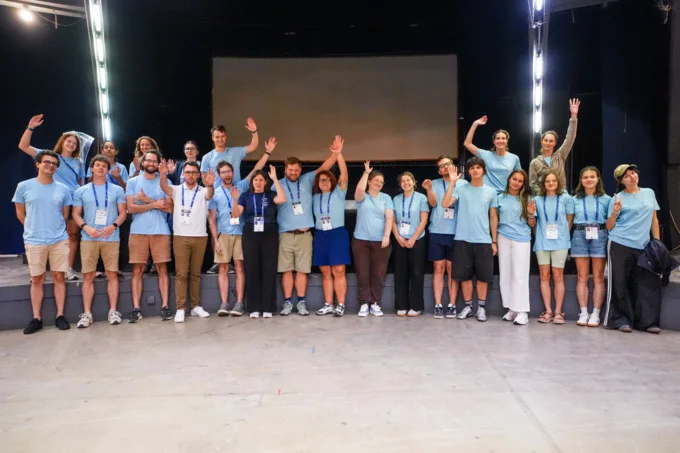
The programme officially opened on August 24 with ice-breaking and introduction sessions, and closed on August 31 with a reflection, evaluation, and follow-up workshop, where participants discussed how to transfer the knowledge and experience gained into their local communities and future activities.
Throughout the week, participants engaged in a diverse programme of activities that combined learning, practice, and exchange.The activities were designed using education through sport, and skill development methodologies, with sport and the sporting event serving as tools for non-formal learning, experiential learning, reflection and active participation.
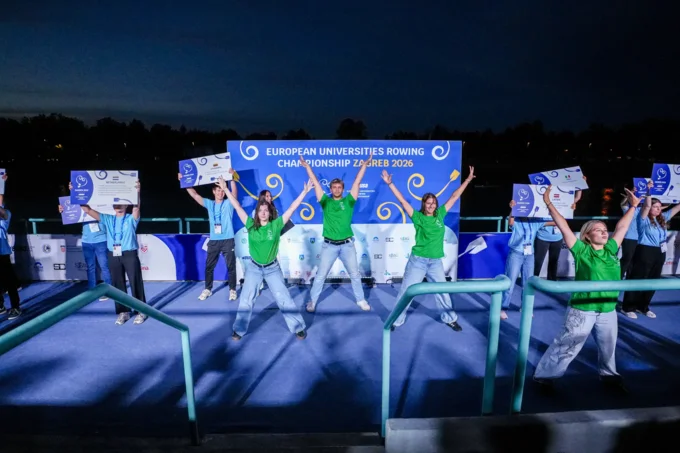
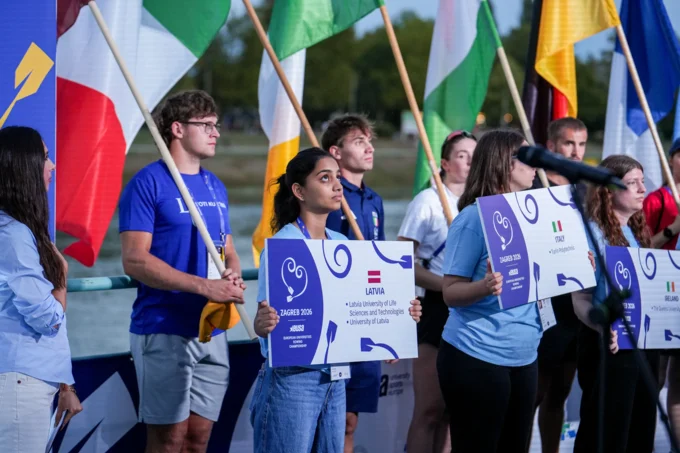
Participants were actively involved in the learning process through interactive and participatory activities, working collaboratively, sharing their experiences and perspectives, and reflecting on their learning and the competences developed throughout the exchange. This approach encouraged participants to take an active role in the programme, contribute to its activities and connect their learning to their own communities and future actions.
They attended workshops on event organisation, volunteer management, and leadership, as well as sessions on youth opportunities and mobility within Europe, with a special focus on Erasmus+, the European Solidarity Corps, YouthPass and other pathways available to young people.
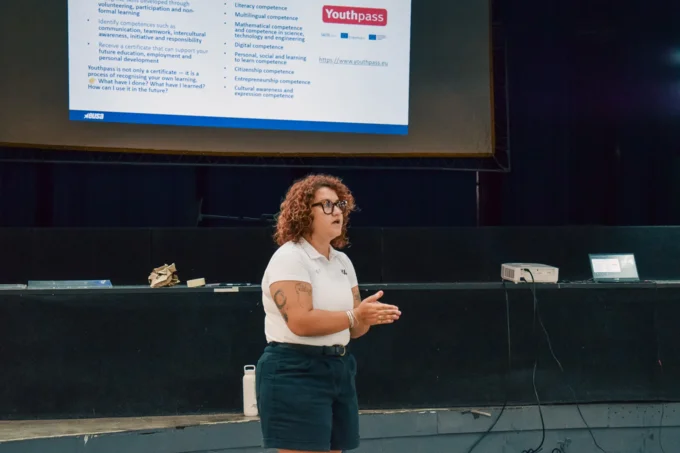
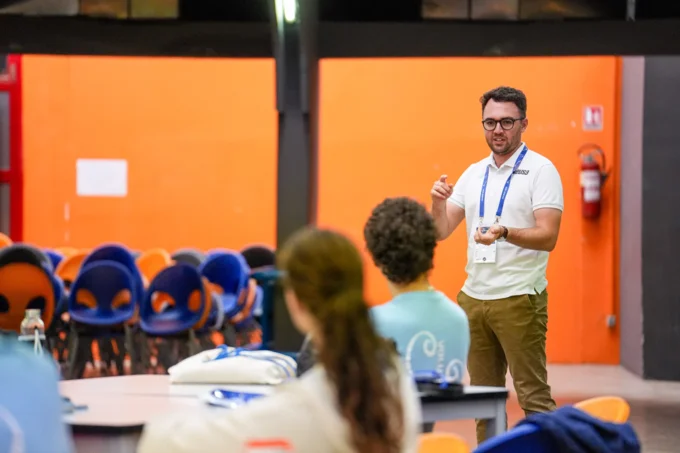
Interactive workshops helped them strengthen their communication, teamwork, and intercultural dialogue skills, while the practical part of the exchange gave them the opportunity to contribute directly to the championship. A valuable part of the programme was the opportunity to explore the behind-the-scenes work of a European Universities Championship. Participants observed and supported activities related to arrivals, accreditation, venue operations, event logistics and ceremony preparations. Through these experiences, they could see how many different people and tasks are required to ensure that a sporting event runs smoothly.
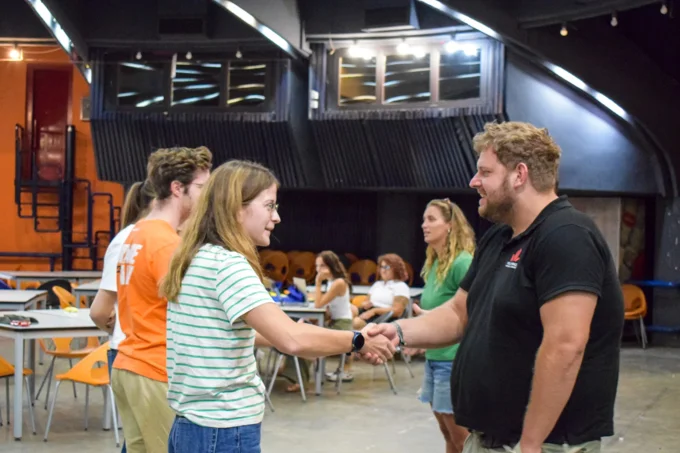
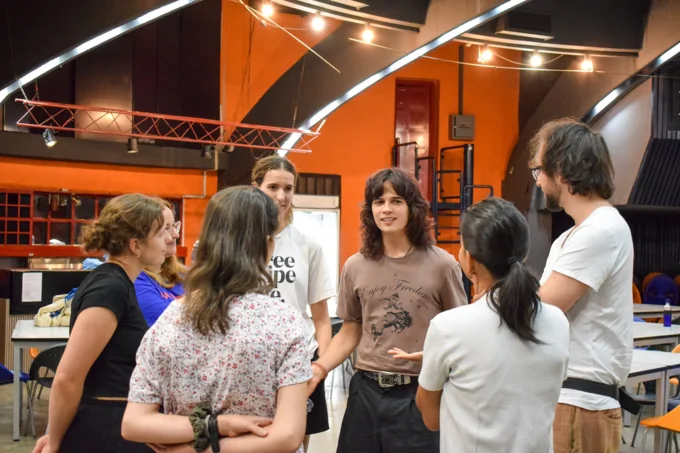
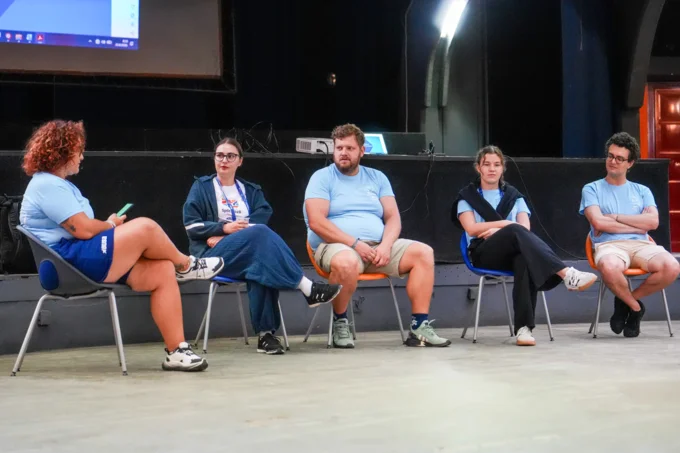
A panel discussion on the topic “From Experience to Impact: The Power of Youth Participation” was held with participants from all four countries. Panellists shared their personal experiences with volunteering, youth participation, youth exchanges, and EU-funded projects, reflecting on how these opportunities have influenced their personal lives, career plans, skills development, and overall growth.
The peer reflection panel also provided a valuable opportunity for the rest of the group to ask questions, get to know their fellow participants better, and learn about different opportunities from a personal perspective. Through open discussion and shared experiences, participants were able to see the real-life impact that youth participation, mobility, and volunteering can have on personal and professional development.
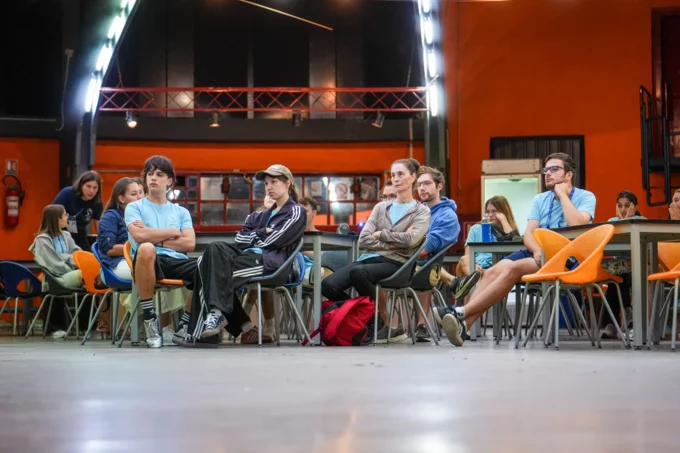
To encourage personal reflection and creative expression, participants were also given tasks like “My Exchange Journey”, aiming to encourage meaningful self-reflection and help participants recognise what they are learning, experiencing and contributing during the exchange.
As part of the Youth Exchange, participants took part in two creative reflection activities: Five-Photo Story and My Days in Numbers. Through the Five-Photo Story, they captured the most meaningful moments of their experience in just five photos, reflecting on friendships, learning, cultural encounters and the European Universities Rowing Championship. My Days in Numbers encouraged them to look at one day from a different perspective by documenting it through numbers, from people met and languages heard to activities completed and skills gained. Both activities encouraged creativity and reflection while helping participants recognise and express the impact of their Youth Exchange experience.
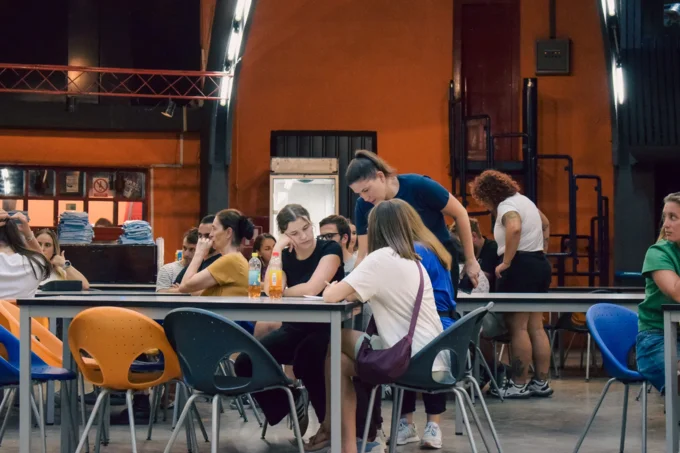
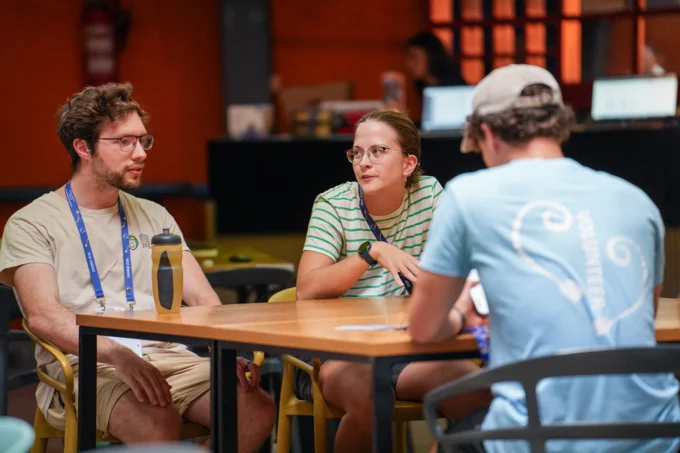
Participants also worked in mixed international groups on three activities designed to promote creativity, teamwork and intercultural learning. Through the Why Do We Volunteer in Sport? Creative Expression Challenge, groups explored the motivations, benefits and importance of volunteering in sport by creating songs, poems, videos or posters. The Recreate an Iconic Sports Photo activity combined research and creativity, encouraging participants to explore values such as fair play, equality, friendship, inclusion and teamwork, and consider how sport can communicate messages beyond competition.
Reflection was an integral part of the participants’ everyday activities throughout the exchange. It was conducted both in groups, with the support of facilitators, and individually through daily reflection tasks. These sessions encouraged participants to reflect on their experiences, identify what they had learned, recognise the skills they had developed, and consider how they could apply their learning in their personal, academic, and professional lives.
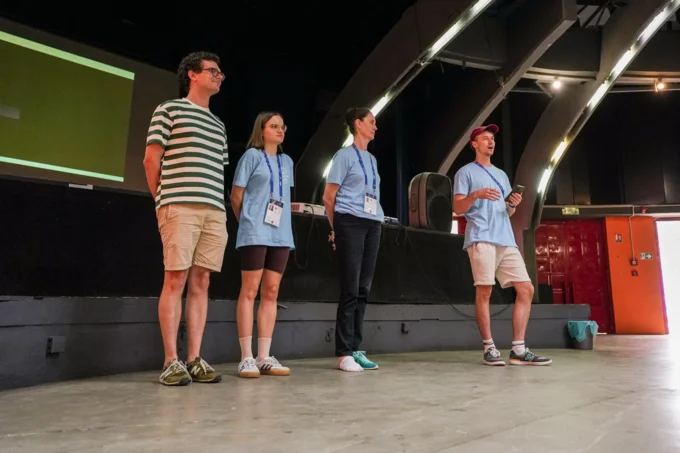
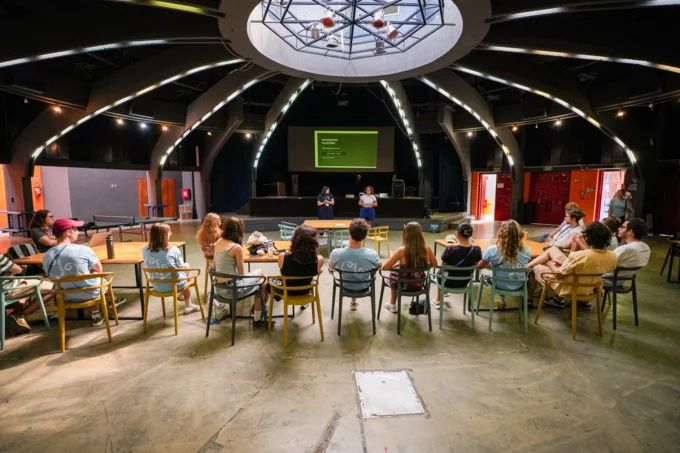
In addition, participants attended a short presentation on how to manage volunteers at a major sporting event. The session introduced the key elements involved in planning and delivering a large-scale event, giving participants an insight into the coordination, teamwork, logistics, and responsibilities required to make a major sporting event successful.
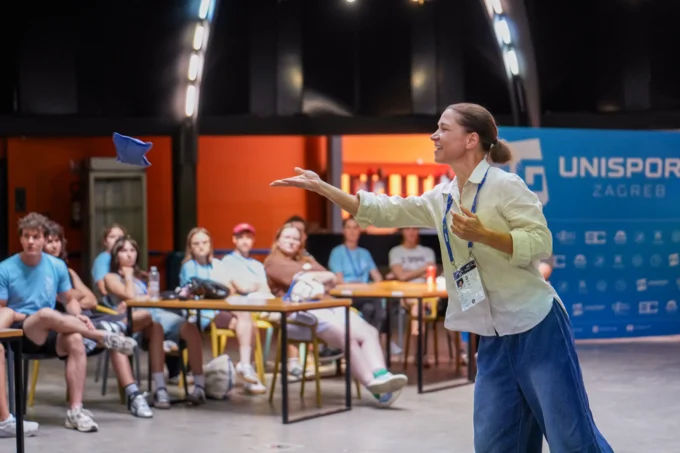
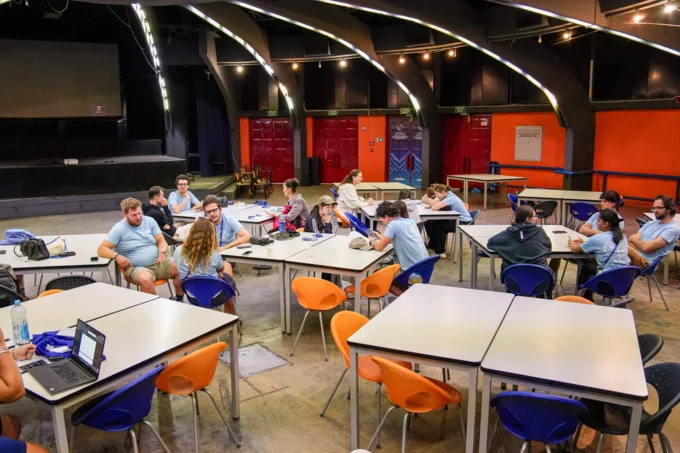
During the Intercultural Night, participants shared their cultures through traditional games, music, dance, language challenges, quizzes and discussions about myths and stereotypes. Together, these activities encouraged participants to learn from one another, develop teamwork and communication skills, and reflect on the wider social and cultural impact of sport and youth participation.
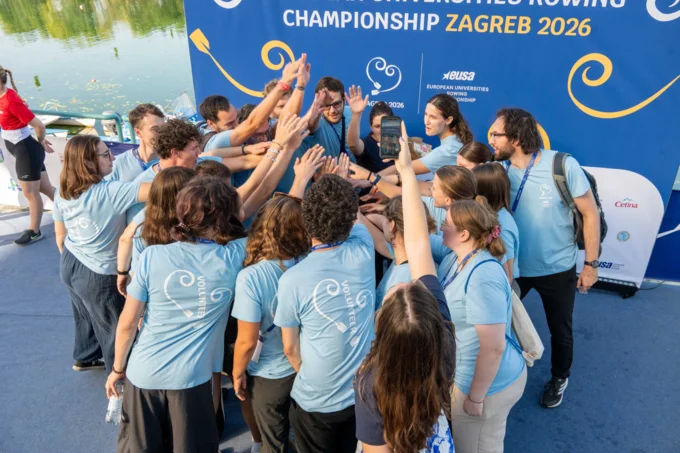
The experience proved to be highly enriching. Participants reported gaining not only new professional skills in sport event organisation and volunteering, but also personal competencies such as adaptability, problem-solving, leadership, and self-confidence. The exchange helped them expand their networks, meet peers from different backgrounds, and feel part of a wider European youth and sport community.
By combining learning, intercultural exchange, and hands-on experience, the EUSA Youth Exchange in Zagreb once again confirmed the importance of investing in young people as the future leaders of sport and society.

For more information and details about the concept and methodology of Youth Exchanges, please visit the European Commission’s Erasmus+ website.