
Youth mental health event held in Ljubljana
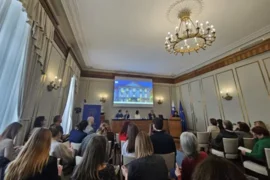
An event in Ljubljana brought together experts and stakeholders to discuss the complex landscape of mental health of children and youth, highlighting the need to move beyond traditional medical models and strengthen societal support systems. The discussions, hosted by the Slovenian Academy of Sciences and Arts (SASA/SAZU) underscored the rising vulnerability of young people and offered several recommendations for more effective prevention and intervention.
The event was organised as a consultation with experts, stakeholders and interested public, and was held on November 18 at the SAZU headquarters in Ljubljana. Representatives of the European University Sports Association (EUSA) attended the event as well. After the greetings from the President of SAZU Peter Stih and Vice-President of the SAZU development council Slavko Splichal, the experts presented on a range of crucial topics.
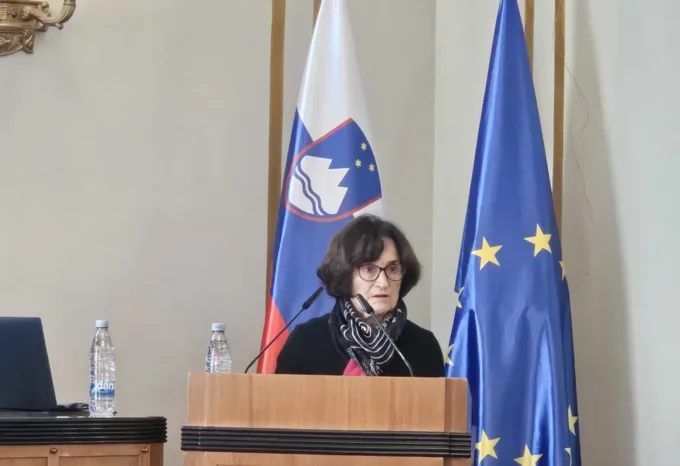
Mirjana Nastran Ule: Growing Up in Uncertain Times. The life of young people today is marked by increasing freedoms alongside a weakening of social ties and peer support. This contrast, coupled with significant inequalities, increases their social and psychological vulnerability, leading to what can be called the existential panic of the young.
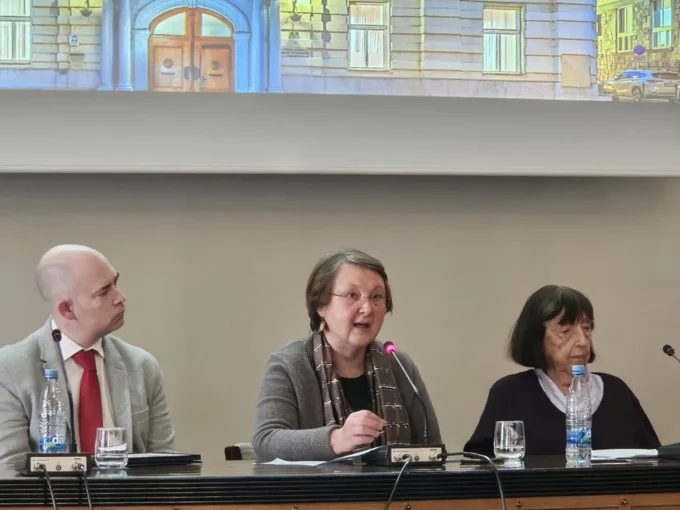
Vesna Leskosek: Social Inequalities and Children's Mental Health. There is a strong link between poverty and poor developmental outcomes and scholastic achievement for children. Children in poverty face greater pressure and have less access to support. The school's role is crucial in reducing these social inequalities and fostering aspirations for all children.
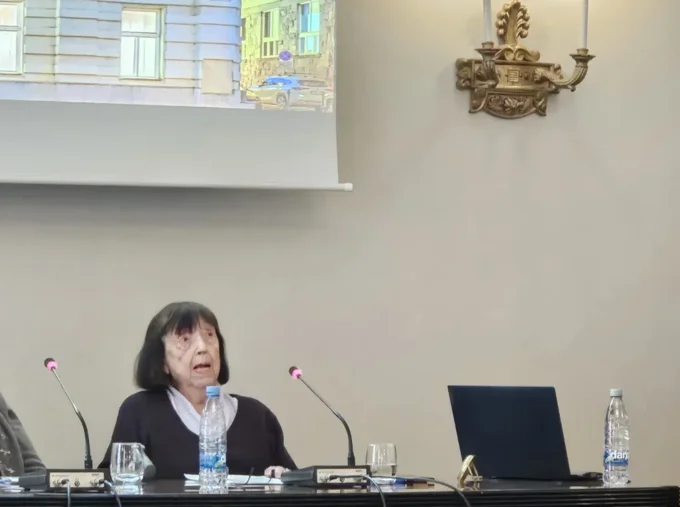
Anica Mikus Kos: The Medical Model of Child Mental Health Protection is Insufficient. A growing number of emotional distress cases are being reclassified as medical disorders. The current individual-focused medical model contributes to the recovery of only a small percentage (10-15%) of children with mental disorders. Activating natural resources (family, community and social activism) is essential for protection and recovery beyond professional limits.
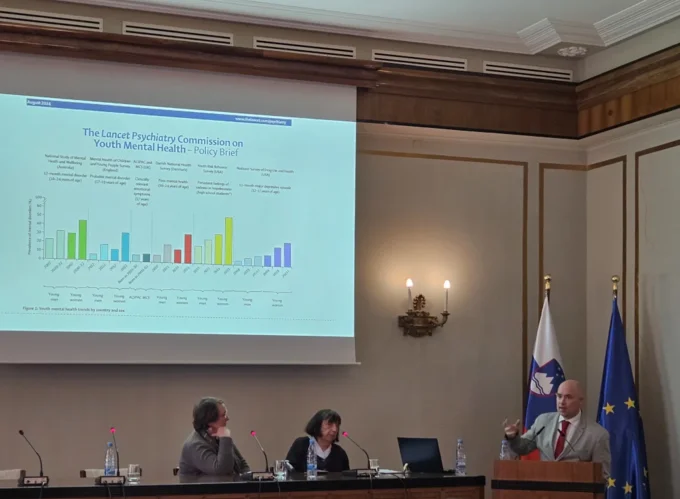
David Gosar: Population-based Approaches Beyond Psychotherapy. Data shows a rising trend of mental disorders linked to long-term secular factors like the shift to extrinsic values, declining social capital, and the harmful effects of information technology. With less than a third of young people seeking professional help, societal prevention efforts must strengthen positive mental aspects like resilience and social connectedness. Peer support is the most frequent and accessible resource.
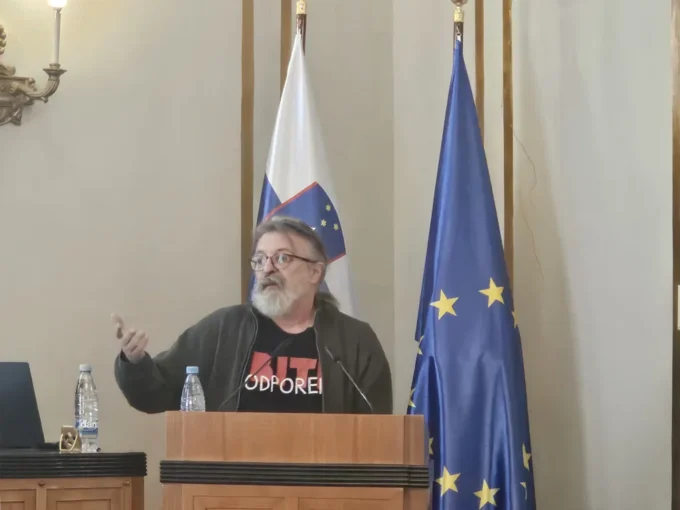
Robi Kroflic: How Does Our School Respond to Mental Distress and Behavioural Problems? School relationships are the core of stable mental development. The rise in distress and violence in schools is shifting focus towards curative and disciplinary measures, sidelining the fundamental educational role of the school. Defining and strengthening this educational role as a source of natural support factors is key to school quality.
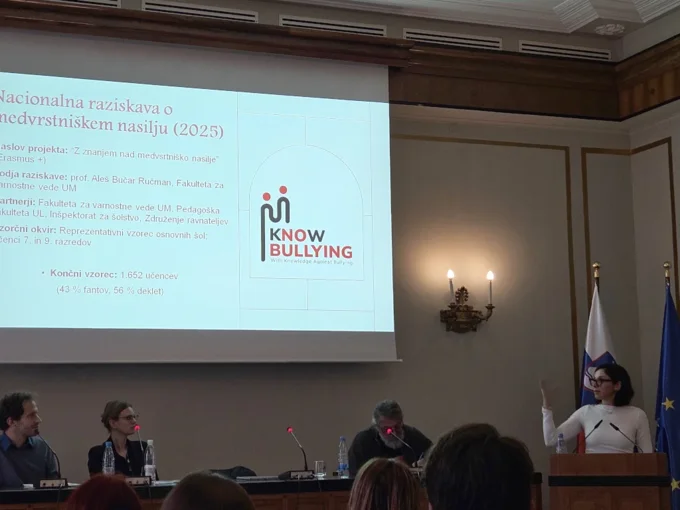
Jasna Podreka: Psychosocial Consequences of Peer Violence and the Importance of Distinguishing Between Conflict and Violence. It is critical to distinguish between conflict (equal power) and violence (power imbalance). Violence, characterised by a position of pre-eminence, requires the intervention of third parties with authority to protect the victim. Experiencing violence is traumatic and causes long-term negative psychosocial consequences.
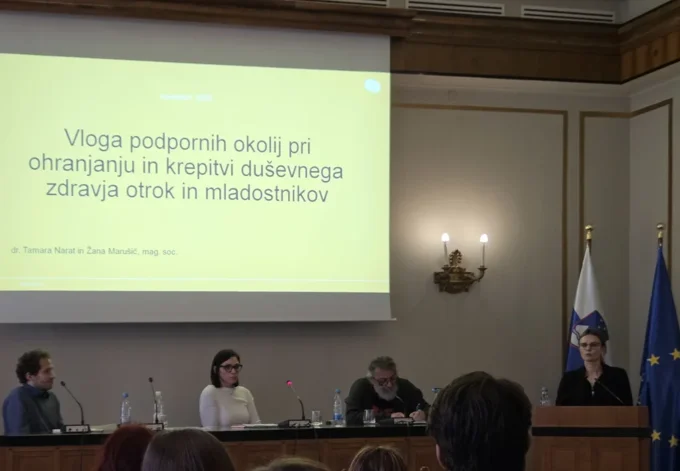
Tamara Narat: The Role of Supportive Environments in Maintaining and Strengthening Mental Health. Vulnerability is a common feature of contemporary childhood. Focus should be on factors of resilience against vulnerability, including external factors like support from family, school and peers. Research should explore children's subjective assessment of support to better understand their self-assessed mental health.
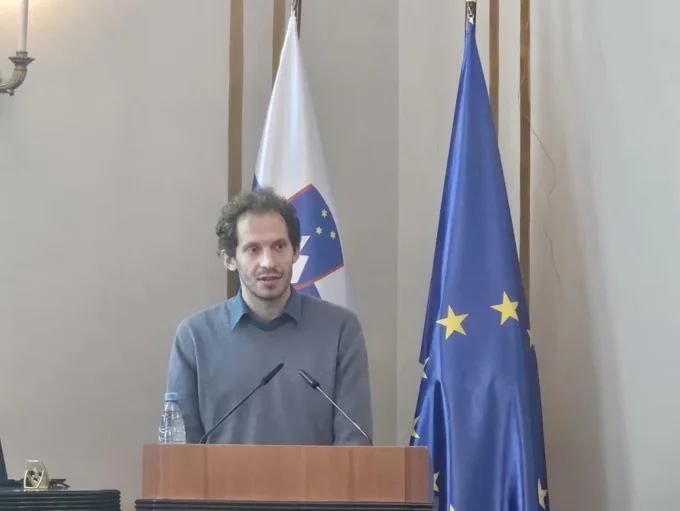
Rok Demsar: Mobile Service of the Expert Centre: No One Can Change Alone. The mobile service supports children and adolescents by strengthening the network of important people around them for social inclusion. By working in the community, including in families' homes, professionals gain a deeper context and aim to strengthen existing community relationships so the need for professional service can eventually cease.
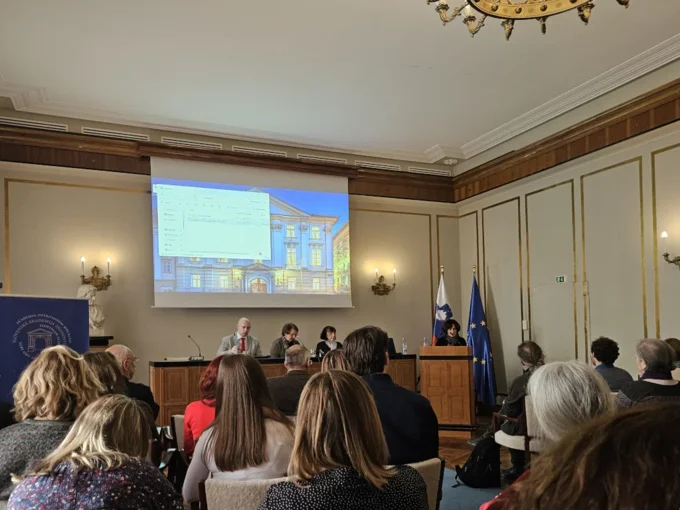
The event highlighted a clear shift in perspective, moving away from a sole reliance on individual, medicalised treatment towards a population-based, holistic, and community-focused approach. Key recommendations and takeaways were to:
- strengthen societal supports: prioritise the activation of natural resources and social activism within family, community, and institutional settings (like schools) as they are crucial for protection and recovery;
- re-emphasise the role of schools and educational institutions: schools must reduce the impact of social inequalities and actively cultivate their educational role as a source of natural mental health support and positive social experiences for all children and youth;
- invest in prevention and resilience: societal efforts should focus on prevention by fostering positive mental aspects such as resilience, social connection, and life optimism;
- peer support is vital: recognise and strengthen peer support as the most accessible and frequent resource for young people in mental distress;
- understand power dynamics: clearly distinguish between conflict (equal power) and violence (power imbalance), as the latter requires authoritative intervention to protect the victim and prevent long-term trauma.
Also in line with these recommendations, the European University Sports Association (EUSA), through its EUSA Institute, is actively addressing the mental health challenges faced by young people. EUSA is leading the project YouMind, focused on mental health in sport for young people. The project promotes inclusive practices, self-awareness, and proactive engagement with mental health, highlighting the positive impact of physical activity on mood, stress reduction, and self-esteem. The YouMind project, co-funded by the European Union, has developed educational guidelines and resources aimed at coaches, athletes, and institutions. These valuable resources with recommendations are available on the project website: https://youmind.eusa.eu.