
Youth European perspectives on safeguarding in Strasbourg
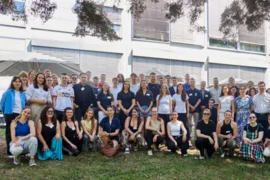
On May 26-27, the Youth Centre of the Council of Europe in Strasbourg (France) hosted 49 young people from 32 member states of EPAS (Enlarged Partial Agreement on Sport) in preparation for the 19th Conference of Ministers Responsible for Sport, to be held in Monaco on November 3-4, 2026.
The event, entitled Youth Perspective for Safe and Healthy Sport, was organised in conjunction with the annual joint plenary meeting of the EPAS Governing Board and Consultative Committee. The event aimed to gather youth perspectives on safer and healthier sport, which were presented to the EPAS Governing Board and Consultative Committee during their joint plenary meeting.
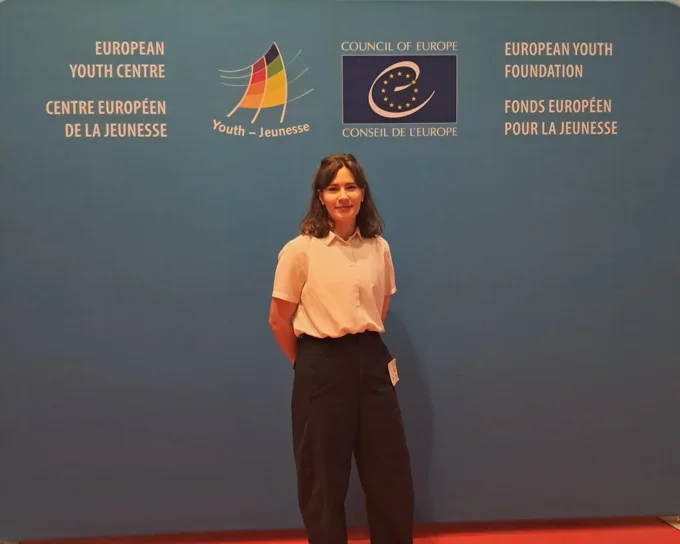
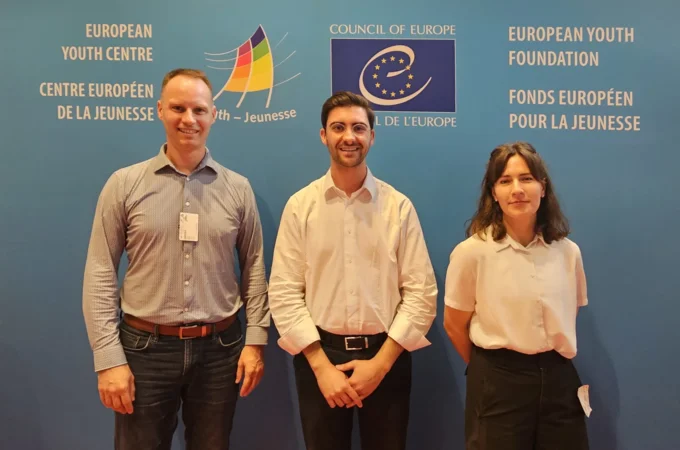
As a member of the EPAS Consultative Committee, EUSA nominated its Education Officer Milia Molinie to attend. A wider university and youth sport family was also represented; specifically by Diogo Braz, FADU President; and among EUSA partner organisation and project partner Siiri Turunen, representing ENGSO Youth. EUSA Director of Project and Policy joined them on the second day of the common part of the event.
Taking advantage of the diversity of profiles and experiences gathered on the platform, Siiri and Milia facilitated an informal discussion with fellow participants on youth involvement in sport governance and presented the first findings of the EUYouSport project State of play. The exchange provided a valuable opportunity to share perspectives, highlight good practices, and identify common challenges and approaches across different organisations and countries.
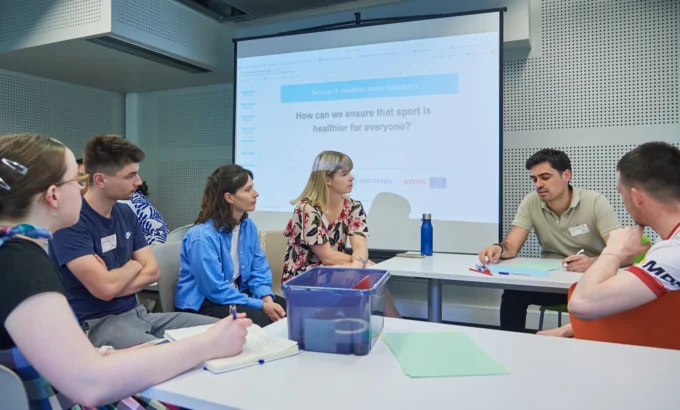
The youth representatives engaged in constructive discussions and collaborative sessions on May 26 and presented their input during the joint plenary meeting on May 27. They also participated in two panel discussions on safer sport for children and on sport as a pathway for improving children’s health. Bringing together representatives from NGOs, activists, volunteers, dual-career elite athletes, as well as representatives of National Olympic Committees and sports federations, the diversity of profiles fostered rich, nuanced, and wide-ranging exchanges.
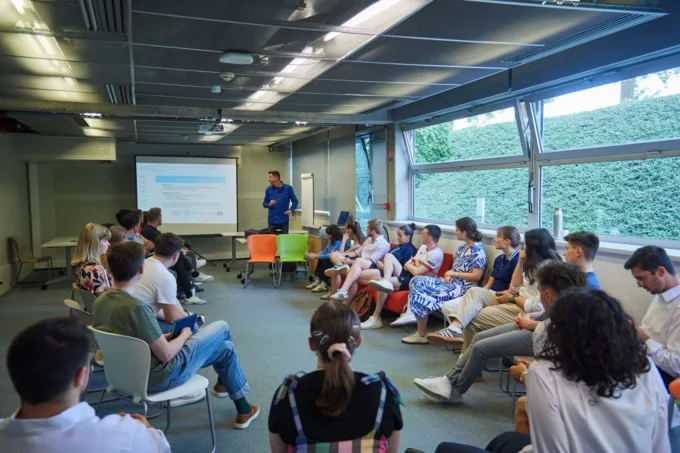
The youth recommendations focused on how stakeholders at the local, national and European levels can better ensure safe sport environments. This includes protecting the physical and mental health of participants, creating safe and inclusive spaces, strengthening the prevention of all forms of violence, and ensuring that appropriate mechanisms for response and redress are in place when incidents occur. University sport was also part of these discussions, particularly in relation to its role within this broader safeguarding and inclusion framework.
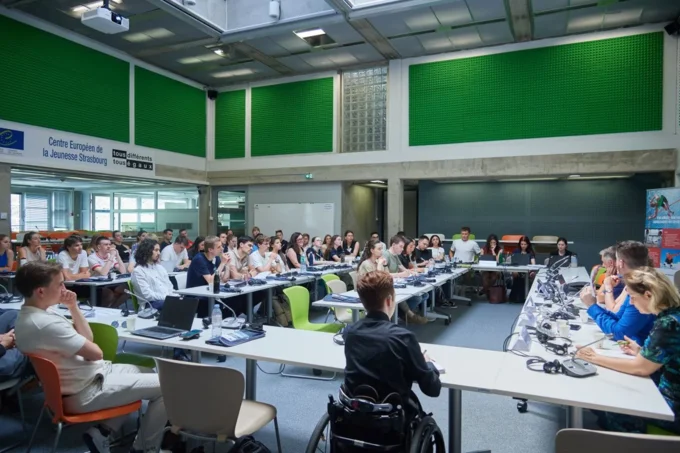
Within the university sport dimension of the discussions, safeguarding was highlighted as a shared responsibility across the sport ecosystem. University sport was identified as a key stakeholder in this agenda, given its role in supporting student well-being, enabling dual career pathways, promoting safe and healthy sporting environments, fostering inclusion within academic communities, and ensuring accessible participation for all.
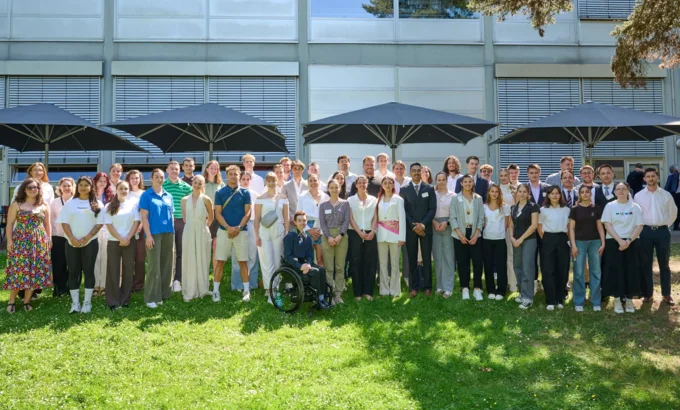
These priorities are closely aligned with EUSA’s ongoing commitment to safeguarding university sport. Through initiatives such as the ESSEPA project (European Sport Safeguarding Education and Promotion Action), EUSA actively contributes to strengthening safer sport environments and preventing abuse, harassment, and unsafe practices. This commitment is further reflected in internal frameworks such as its Safeguarding and Incident Policy, as well as in a range of additional charters and internal frameworks currently under development, illustrating a continuous effort to reinforce safeguarding standards across European university sport. In addition, the importance of youth representation in sport is also highlighted in the project EUYouSport, in which EUSA is partnering in.
*Some photos courtesy of the Council of Europe