
What's up: Gender equality, the need of new ideas
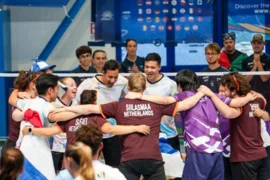
In this month’s What’s Up student column, Balthazar Ilacqua, EUSA European Solidarity Corps volunteer, reflects on gender equality in sport, highlighting the need for fresh ideas, inclusive approaches, and new perspectives to address existing challenges and create equal opportunities for all.
I remember going to a top-tier women’s Italian football match a few years ago. I had to take two trains - the second passed just three times per day - and then have a 45-minute walk in the countryside. Summing up, more than three hours to go and three hours to come back. And, after the game, I was in such a hurry that I ran as fast as possible to take the last train of the day. In the same city, attending a men’s football match was much easier. Buses and several trains were provided; the stadium was much bigger, and many facilities helped me.
At the time, I didn’t really care about it because when you’re passionate about something, time, facilities, and the distance covered don’t matter.
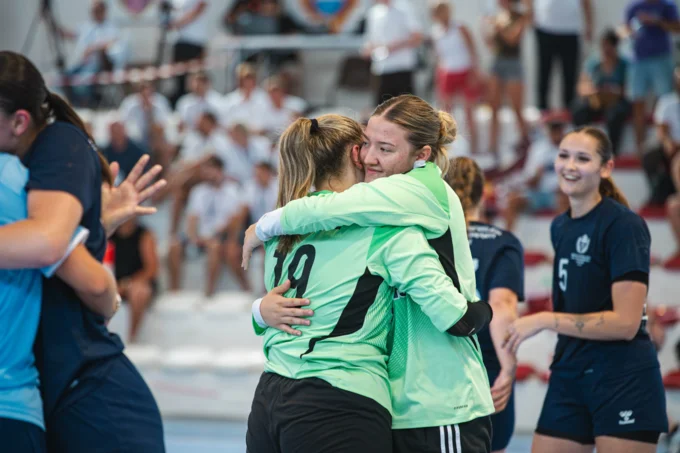
Anyway, a natural thought comes to mind now: this isn’t enough for gender equality. And so I ask: what does gender equality in sports mean? Gender isn’t a natural, unchanging state but a performative act, the result of continuous, repetitive actions. Thus, acts traditionally related to a gender can be changed without jeopardising gender identity. For instance, women were not allowed to run marathons until the 1970s. Now they participate at any level, and this doesn’t prevent them from being women.
Recent studies show that high administrative and managerial roles in sports federations are still barely accessible and affordable to women. Also, participation rates aren’t satisfactory. According to the latest report from the EU and the Council of Europe (February 2025), just 29% of sports federations have female board members, and women are only 31% of the total members. Even more alarming: the number of girls who continue practising sports after childhood decreases, while men in sports increase their participation in adulthood.
What is the matter? Does practising sports make women less feminine or affect their appearance? Are women’s sports qualitatively less than the men’s version? Don’t women create interest in their competitions? Messages like these constantly hinder gender equality and women’s sports development.
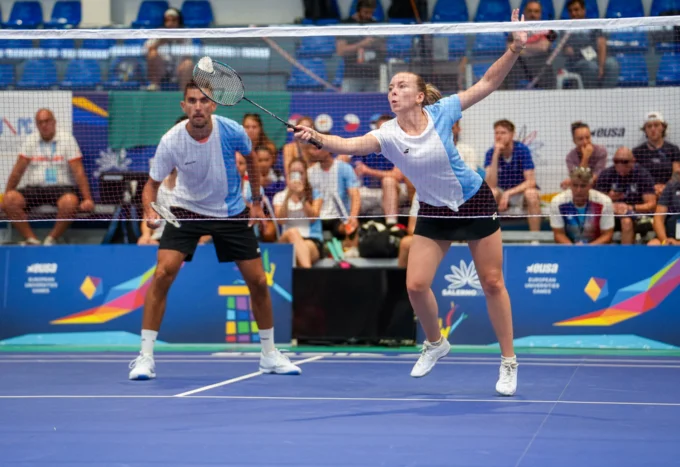
Being a man, I have never directly experienced gender inequality on my skin, and for this reason I feel the weight of my privilege. But this would be an empty statement without action. I think that men have a double challenge, which is also an opportunity. They should understand their position of power and contribute to gender equality.
In order to make a change, we probably need less competitive and more humane societies, to which sport can deeply contribute. We need new narratives and new ways of looking at sports: some of the most followed sports are still considered man-shaped, because physical strength, endurance and muscular capacity are concepts still strictly related to men. We also need new practices of money management since the gap in revenues and wages between sportsmen and sportswomen is very huge.
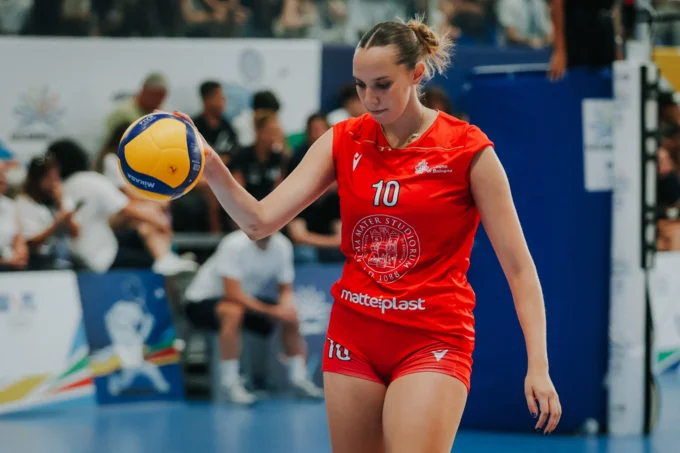
Maybe we also need new sports. It’s time to think and take action.
The author of this What's Up column is Balthazar Ilacqua from Italy, a 26-year-old former student in Contemporary History at the University of Pisa. He is currently serving as a European Solidarity Corps volunteer at the EUSA Office in Ljubljana.
Are you a student with an opinion? EUSA is looking for contributors for the What's Up column every month. Contact stc@eusa.eu to share a piece or propose a topic.