
What's up: Empowering the next generation of women in sport leadership
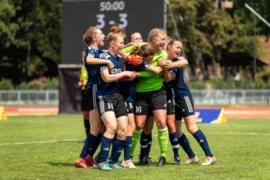
In this month’s What’s Up student column, EUSA Sports Officer Kinga Gaal is elaborating on empowering the next generation of women in sport leadership, highlighting the importance of fostering inclusive environments, developing leadership skills, and creating opportunities for women to take on active roles within the sports sector.
The column reflects on existing challenges, such as underrepresentation in decision-making positions, while also pointing to positive developments and initiatives that support inclusion and capacity building.
The global sports landscape is undergoing an important shift. While women’s participation has reached unprecedented levels, leadership positions have historically remained less accessible. Today, however, tangible progress can be seen, driven by role models, institutional change, and targeted development initiatives.
A landmark example is the election of Kirsty Coventry as President of the International Olympic Committee. As a two-time Olympic champion swimmer and experienced sports administrator, her appointment represents a significant milestone not only symbolically, but structurally demonstrating that the highest levels of global sport governance are becoming more inclusive.
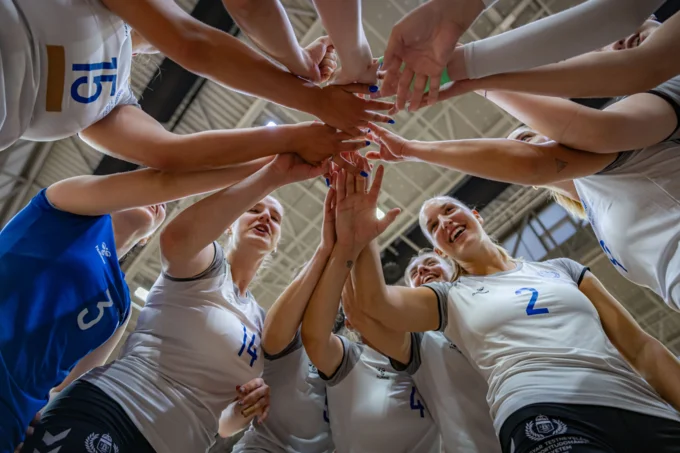
Similar progress can be observed across international federations and professional sport. In basketball, leaders such as Becky Hammon have broken barriers by transitioning from elite playing careers into high-level coaching roles, including in traditionally male-dominated environments. She became the first full-time female assistant coach for the San Antonio Spurs in the NBA and later led the Las Vegas Aces to consecutive championships as head coach.
These examples are not isolated; they reflect a broader trend. International organisations, including the International Olympic Committee, NBA, WNBA and other global sports federations, have introduced leadership programmes, mentorship schemes, and gender equality strategies aimed at accelerating this transition. Initiatives such as leadership development courses and coaching academies are equipping women with the tools, networks, and confidence needed to progress.
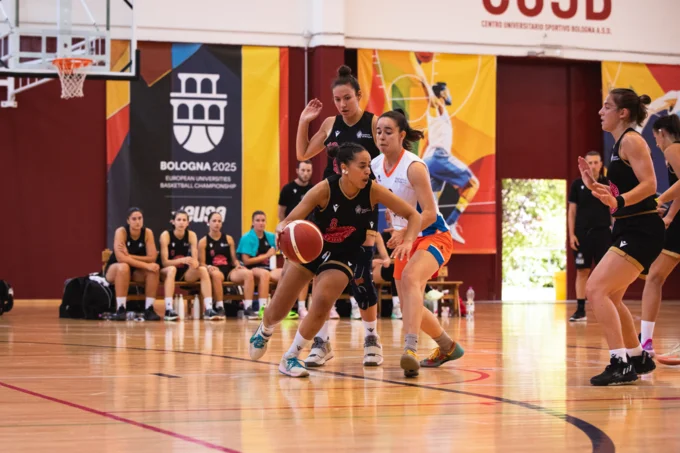
At the same time, major sporting events continue to serve as practical training grounds. From Olympic Games to continental championships, women are increasingly visible not only as athletes, but as technical officials, event directors, and decision-makers. These environments provide critical, hands-on experience that supports long-term career development.
Within this global context, university sport plays a crucial role. The European University Sports Association has been actively contributing to this movement through a range of projects and initiatives focused on education, inclusion, and leadership development. Through its involvement in European-funded programmes, EUSA has addressed topics such as dual careers, gender equality, mental health, and governance in sport.
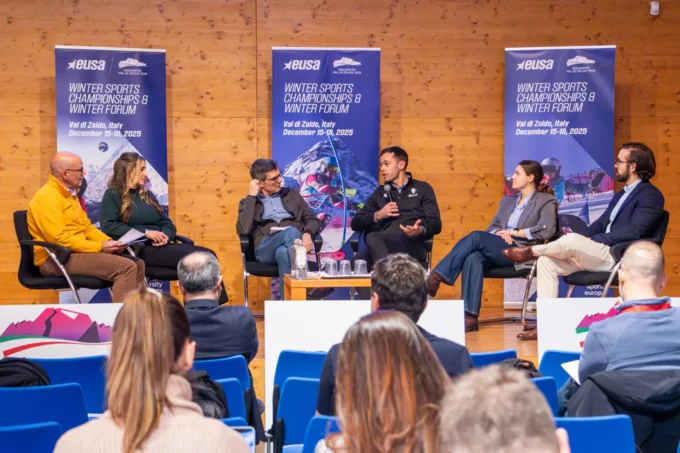
Projects like SCORE - Gender Equality in Coaching, as well as leadership-focused workshops like Women Leaders and Role Models, as well as Barriers to Female Officials in Sports, and capacity-building activities, provide young women with opportunities to engage beyond competition. Whether through volunteering, event management, or participation in educational programmes, students gain valuable experience that can translate into future leadership roles.
EUSA events themselves also act as a platform for empowerment. Across championships and multi-sport events, female participants are increasingly involved not only as athletes, but as organisers, coordinators, and officials. These roles offer practical exposure to the operational and strategic aspects of sport, helping to bridge the gap between participation and leadership.
Empowering the next generation of women in sport leadership is no longer just an ambition; it is an ongoing process.
By continuing to invest in opportunities, education, and visibility, the sporting community can ensure that future leaders are not defined by barriers, but by potential.
Kinga Gaal holds a Bachelor’s degree in International Business from the University of Groningen (Netherlands) and has just completed her Erasmus Mundus International Master’s in Governance and Administration of Leisure and Sports. Through this programme, she had the opportunity to study in France (University of Lille), Lithuania (Mykolas Romeris University), and Portugal (University of Lisbon).
Are you a student with an opinion? We are looking for new contributors for our student column every month. Feel free to contact stc@eusa.eu to offer a piece or propose a topic.