
EUSA ESC Team Volunteering at EUG 2026
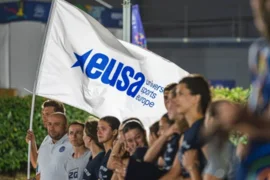
The European Universities Games 2026 in Salerno brought together over 4,000 people, including student athletes, officials, organisers and volunteers from across Europe.
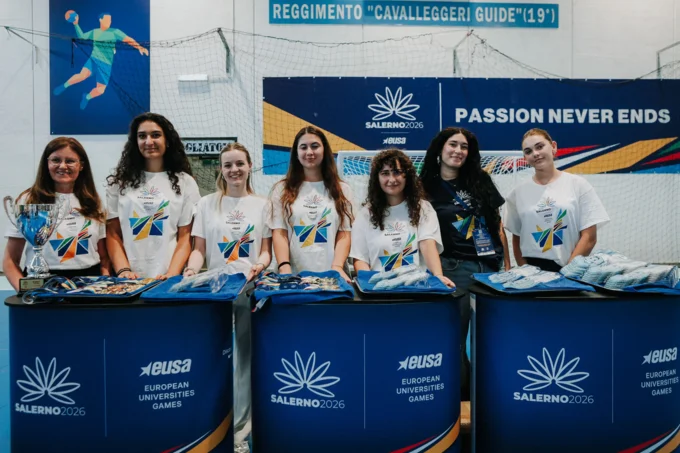
Among them was a dedicated team of young people taking part in the European Solidarity Corps (ESC) volunteering teams programme, co-funded by the European Union and coordinated by the EUSA Institute in cooperation with the local organising committee and CSV Salerno Sodalis as the hosting organisation.
The project brought together 20 young volunteers from different European countries: Italy, Croatia, Poland and Slovenia, the programme offered participants the opportunity to contribute directly to one of Europe's largest university sport events while developing new skills, learning about European opportunities and engaging with topics such as human rights, youth participation, solidarity and inclusion.
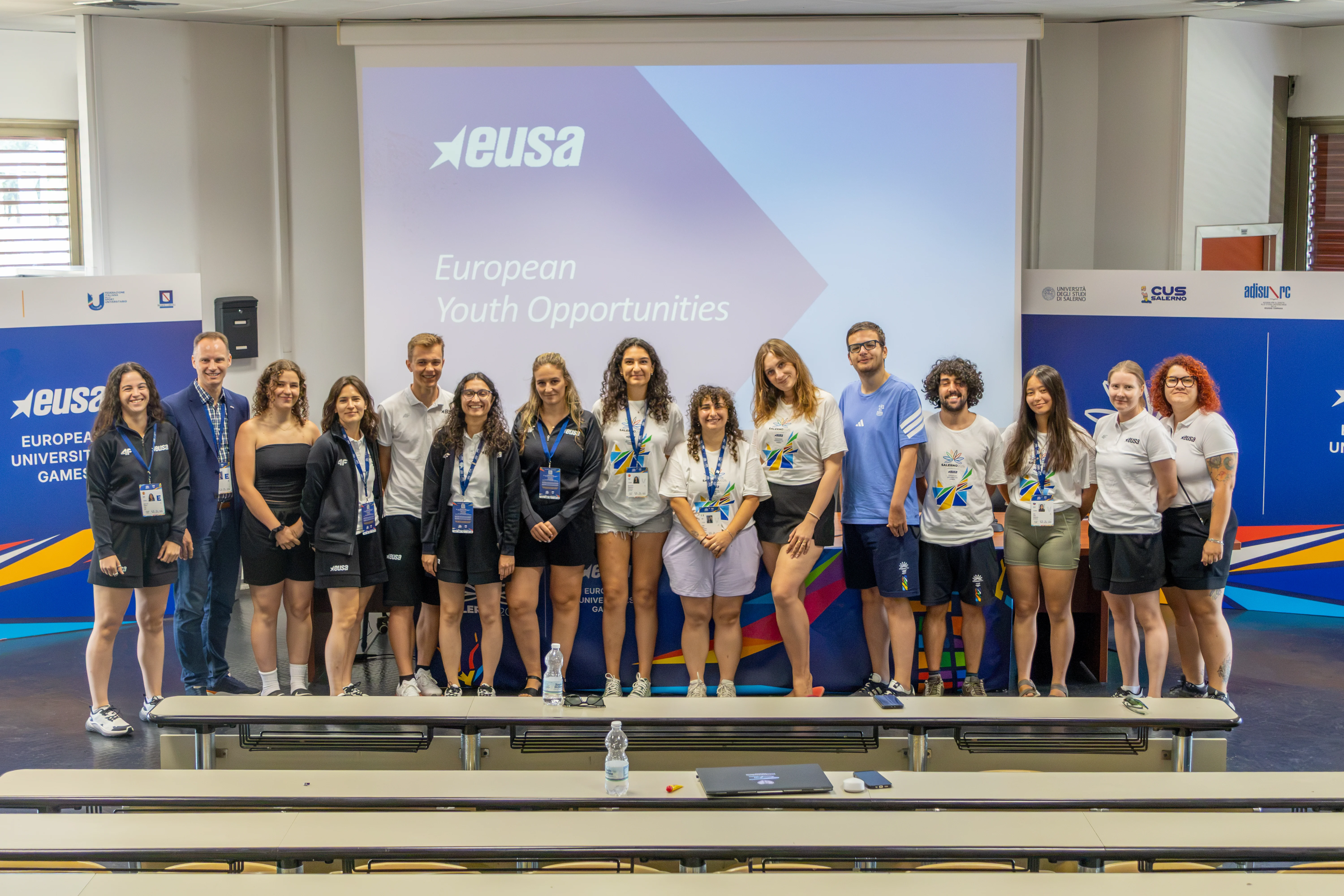
The ESC team volunteering activity formed part and supported the wider volunteering programme at the Games which brought together 730 local and 34 international volunteers. Participants were involved from the preparation period through to the conclusion of the event. The focus was on practical responsibilities in organising the event, being supported also with some educational activities. At the heart of the programme was the experience of volunteering at a major international sporting event. The ESC volunteers supported the organisation across the 13 sports on the EUG 2026 programme, gaining first-hand insight into how a multi-sport event of European scale is delivered, and also educational activities throughout the event.
Their responsibilities included supporting competition venues and event operations, assisting participants and spectators, helping with information and communication, and contributing to the smooth running of activities around the Games. Working in different environments allowed them to experience the many areas that come together behind the scenes of a major sporting event. The experience also required teamwork, flexibility, communication and problem-solving. Volunteers worked alongside other international and local participants, often in fast-paced situations where cooperation and adaptability were essential.
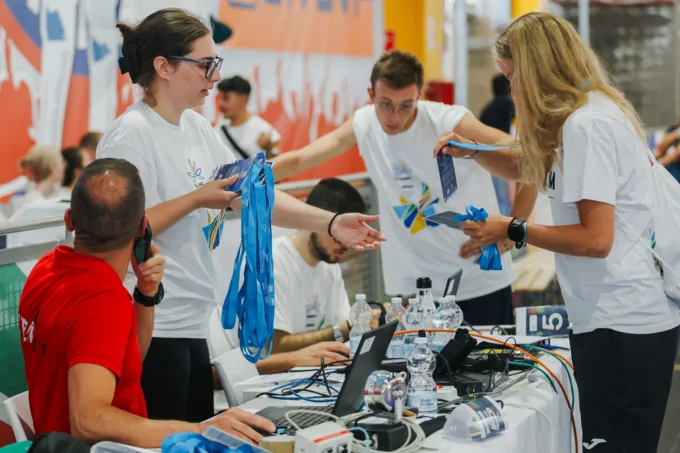
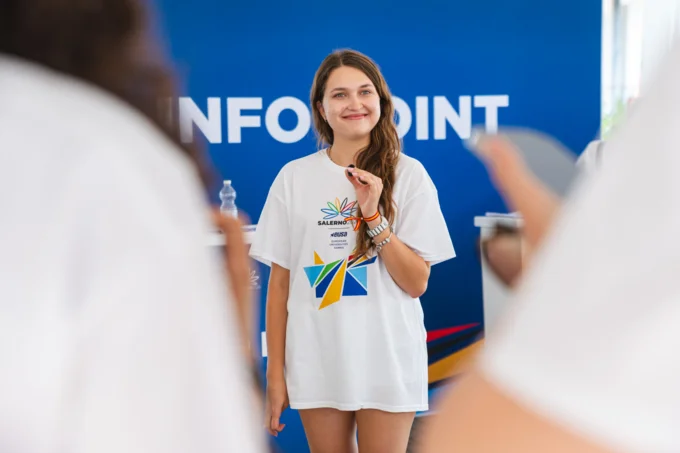
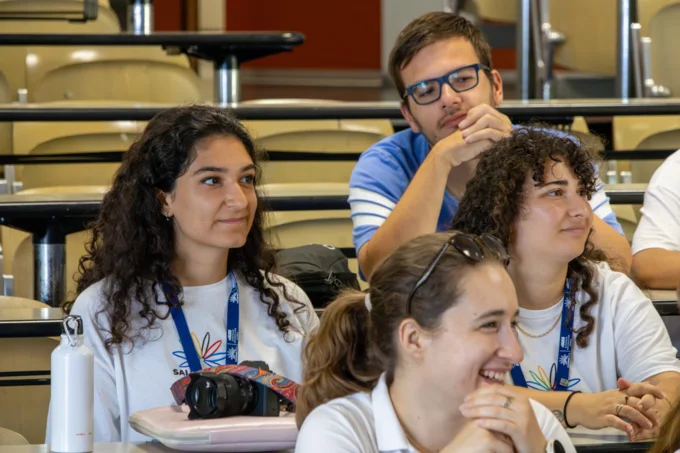
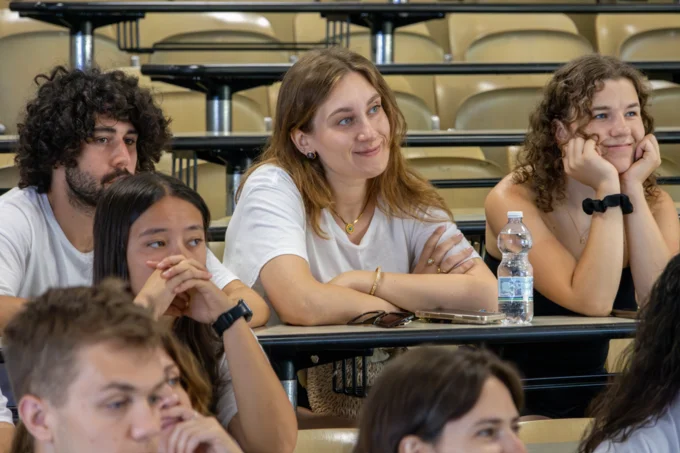
While volunteering was the main part of the experience, the ESC programme also created dedicated opportunities for learning and reflection. Scheduled team meetings provided space for volunteers to discuss their experiences, coordinate their responsibilities, address challenges and reflect on what they were learning - which will also be reflected in their Youthpass certificates. These meetings also helped strengthen the group, bringing together participants with different backgrounds and experiences.
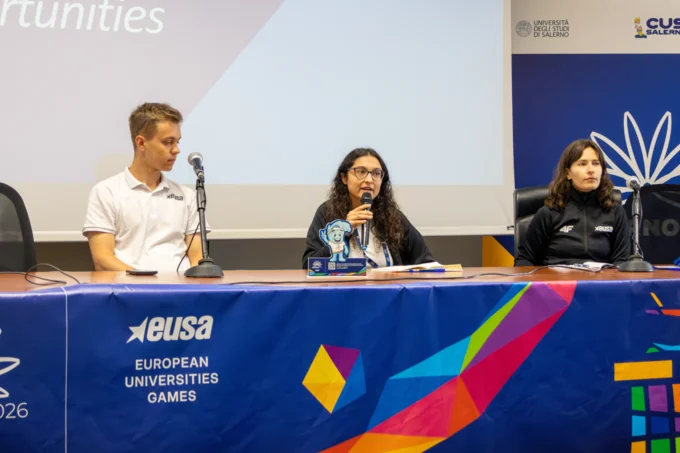
One of the highlights was a panel discussion on European opportunities, where participants could learn more about Erasmus+, the European Solidarity Corps programmes and other opportunities for young people to gain international and volunteering experience. The session connected directly with the volunteers' own experiences, showing how mobility and volunteering can contribute to personal development, skills development and future professional opportunities. These activities also addressed youth mobility and skills, with sessions focusing on European opportunities and the ways international mobility can strengthen competences and employability.
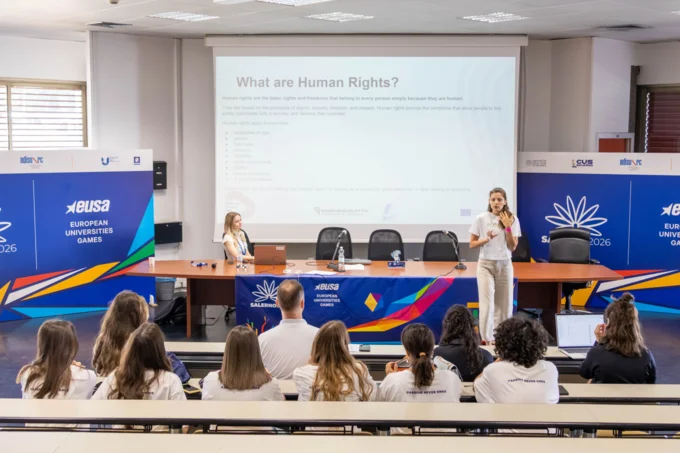
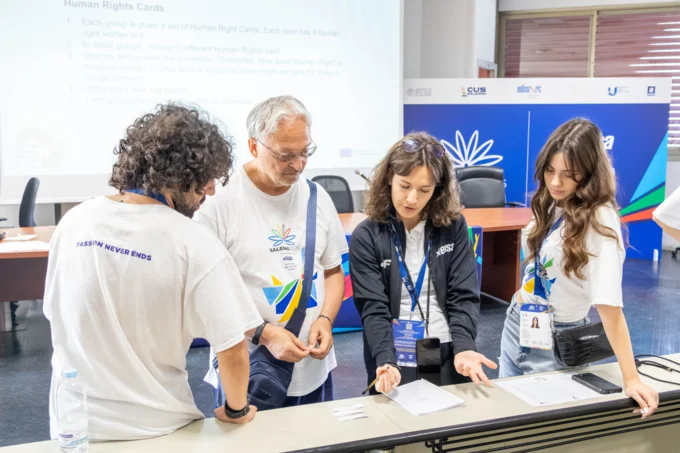
Another important activity was a Human Rights Through Sport workshop, delivered by ENGSO Youth. Through interactive exercises, games and group work, participants explored human rights, fairness, equality and non-discrimination in the context of sport. The workshop encouraged volunteers to consider how sport can be used not only as a competitive activity, but also as a platform for solidarity, inclusion, participation and social change.
With volunteers coming from several European countries, intercultural learning was naturally an important part of the programme. Living and working together gave participants the opportunity to exchange perspectives, discover different approaches to volunteering and sport, trying and practicing new sports, and learn from each other's cultures and experiences. Working as one team also demonstrated the importance of communication and cooperation across languages and cultural backgrounds.
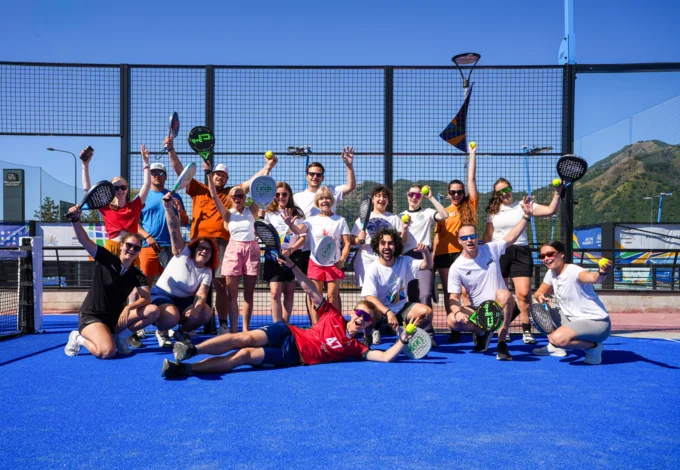
For many participants, the Games became an opportunity to build international friendships and professional connections while gaining a deeper understanding of how European cooperation works in practice. This intercultural dimension reflects one of the central benefits of the European Solidarity Corps: volunteering provides young people with meaningful experiences that can contribute to their personal development, future education and employment, while promoting solidarity and social cohesion.
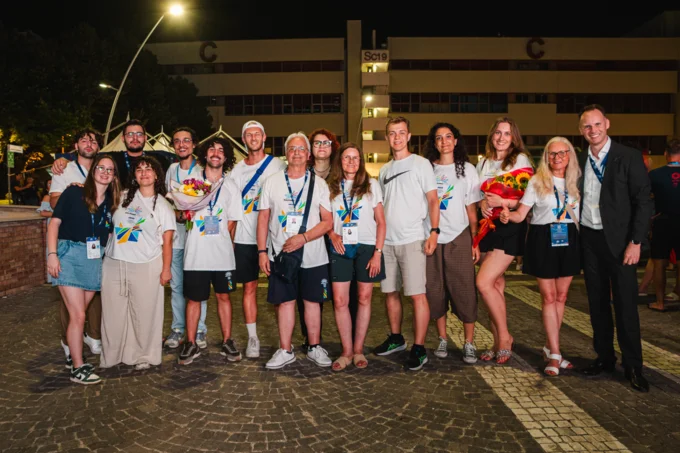
The combination of practical volunteering and educational activities allowed participants to develop a broad range of competences. Working at the Games strengthened teamwork, communication, organisation, responsibility, adaptability and problem-solving, while exposure to different areas of event delivery provided insight into professional roles within sport and event management. At the same time, workshops and discussions encouraged participants to develop their social and civic competences, reflect on human rights and inclusion, and become more aware of European opportunities and youth mobility.
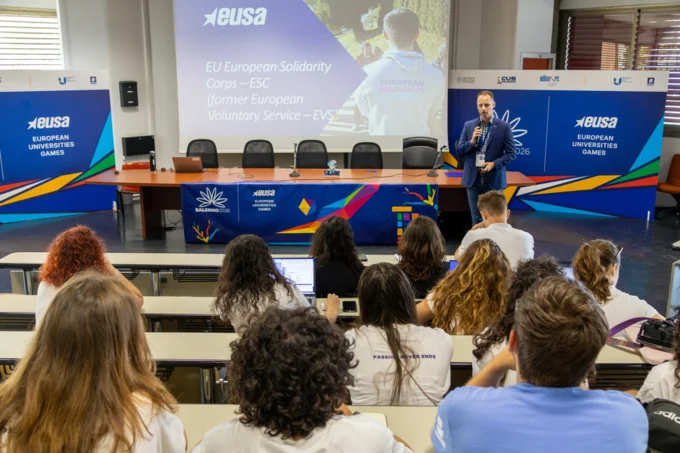
The ESC team became an important part of the wider volunteer community supporting the Games. Alongside hundreds of local and international volunteers, they contributed to an event involving 3,889 participants from 171 universities and 31 countries.
Their contribution extended beyond individual tasks. By bringing together young people from different countries, combining volunteering with structured learning and creating space for reflection and exchange, the programme demonstrated how a major sporting event can also serve as a learning environment and a platform for European cooperation.
The experience showed that volunteering is not simply about helping an event run smoothly. It is also about learning by doing, developing competences, discovering new opportunities, meeting people from different backgrounds and understanding how sport can contribute to a more inclusive and connected Europe.

For more information about European Solidarity Corps, please see https://youth.europa.eu/solidarity_en