
EUSA at the stakeholders' consultation on Erasmus+ at the European Parliament
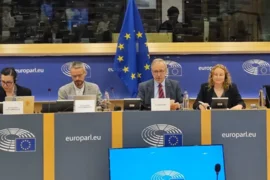
A stakeholders consultation in form of a hearing of key stakeholders on establishing the Erasmus+ programme for the period 2028-2034, ahead of the adoption of the next Multiannual Financial Framework (MFF) 2028–2034. The consultation was called by the Committee on Culture and Education (CULT) of the European Parliament, and was held on Wednesday, 10 December 2025 at the European Parliament in Brussels.
The event was opened by the rapporteur, Member of European Parliament and CULT Vice-President Bogdan Zdrojewski. Short presentations from institutions also followed with contributions by Vassos Koutsioundas, Chair of the Council Working Party on Sport during the Cyprus Presidency in 2026; Giorgio Guazzugli-Marini, Head of Unit for Sport, European Commission; and Stanislas Frossard, EPAS Secretary General, Council of Europe.
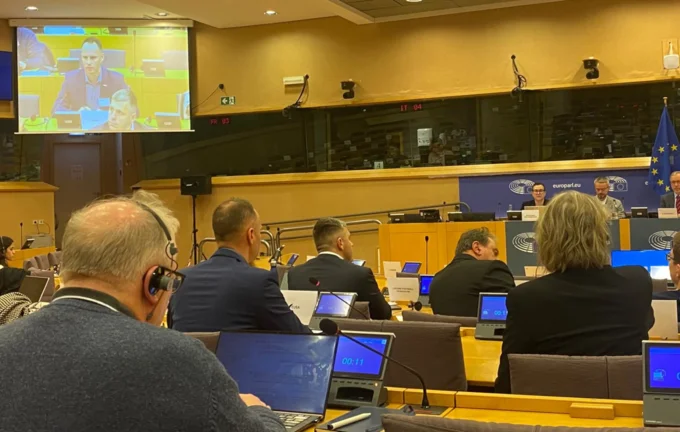
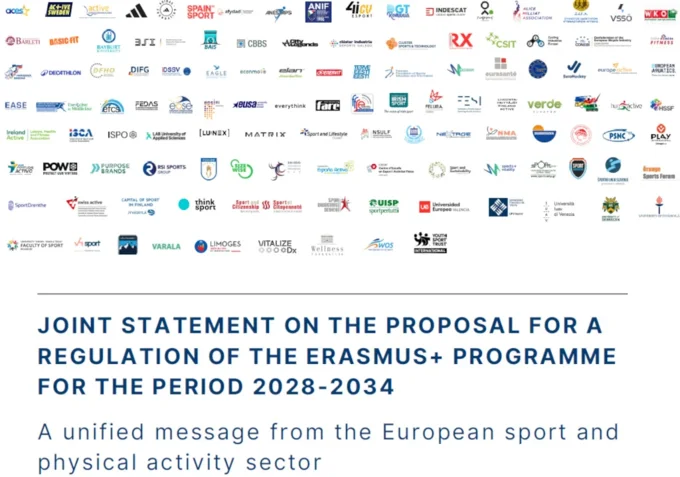
Some members of the parliament and representatives from 15 invited stakeholder organisations presented their views on the future of the Erasmus+ programme within the 2028-2034 MFF. European University Sports Association (EUSA) and the EUSA Institute were also present and actively contributed to the consultation. EUSA Director of Projects & Policy Andrej Pisl shared EUSA experiences of being active in the fields of sport, youth and volunteering; the advantages of the new proposal, as well as some threats. He also highlighted the joint statement on the proposal for a regulation of the Erasmus+ programme for the period 2028-2034, which was signed this week by 117 European organisations, including EUSA.

The document offers a message from the European sport and physical activity sector, and covers 8 key topics: increasing the overall Erasmus+ envelope within the MFF 2028-34; earmarking at least 5% of the Erasmus+ budget for sport and physical activity; ensuring balanced governance and fair access; reinforcing the link between sport, health, education, and inclusion; simplifying funding procedures and enhancing transparency; fostering sustainability, innovation, public-private partnerships and long-term impact; extending eligibility and strengthening transnational cooperation; mainstreaming sport and physical activity across all relevant EU policy areas.
Erasmus+ is and has been one of the most successful and visible programmes of the European Union, even if it is actually one of the smaller programmes. It focuses on education, training, youth and sport; offering mobility and cooperation for individuals and organizations to build skills, promote inclusion and foster European identity.