
European Sport Platform 2025
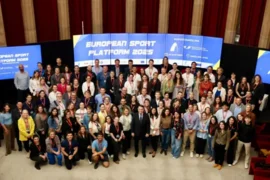
The eighth edition of the European Sport Platform (ESP) took place from October 23 to 25, 2025, in Barcelona, Spain, bringing together stakeholders from across Europe to explore innovation and transformation in grassroots sport.
Organized by the European Non-Governmental Sports Organisation (ENGSO) and hosted by the Catalan Sports Federations Union (UFEC), this year’s edition was held within the framework of the CHANGE, IWISC, and Equipped To Empower projects.
Centered around the theme “Empower & Evolve: Driving Innovation and Change in Grassroots Sport,” the event offered a unique platform for ENGSO members, partners, and key stakeholders to exchange knowledge, discuss challenges, and share best practices for the future of grassroots sport.
European University Sports Association (EUSA) was represented by Marta Studzinska, Education Officer.
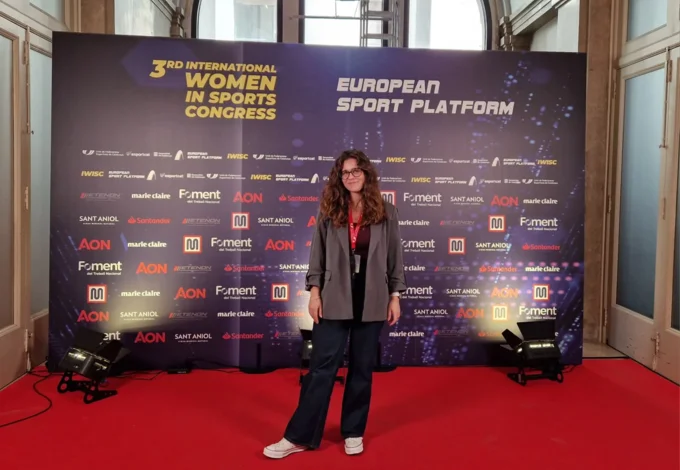
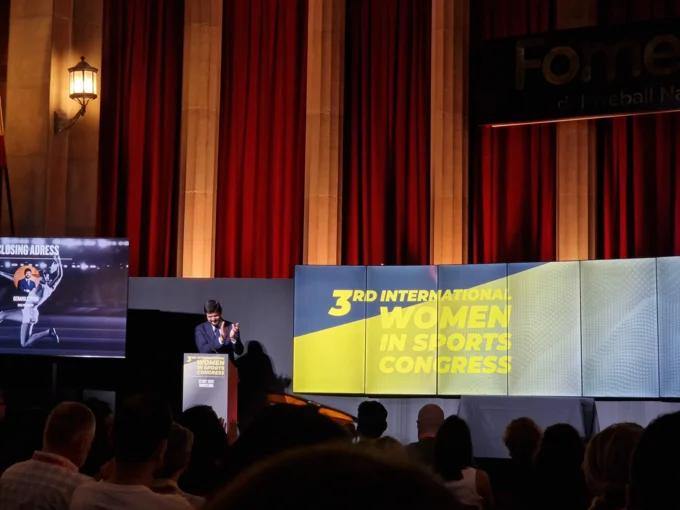
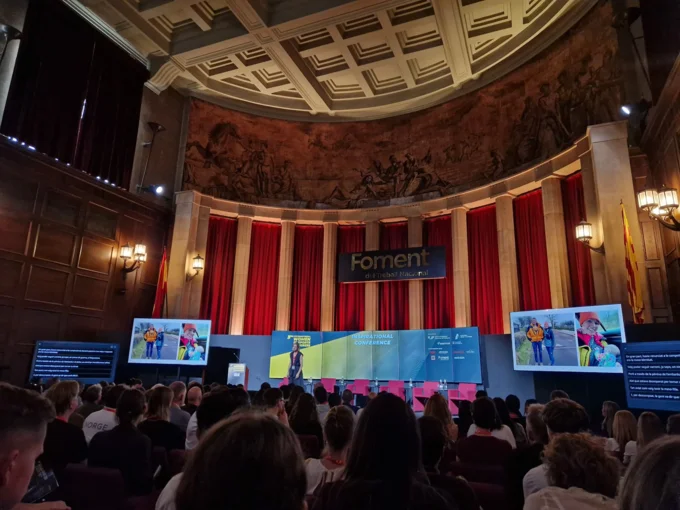
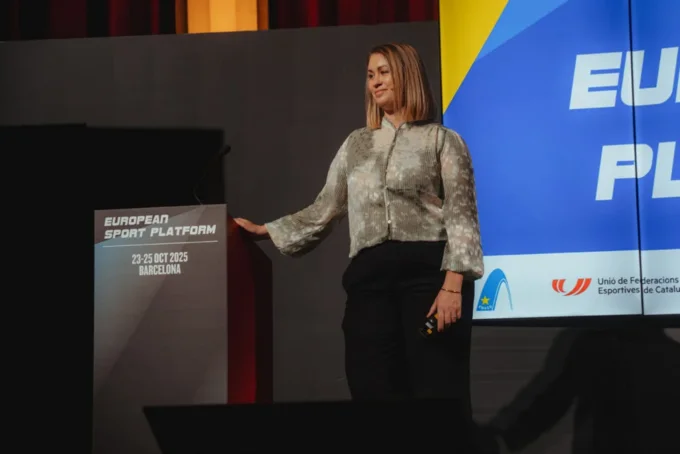
The event opened with the 3rd International Women in Sport Congress, emphasizing empowerment, diversity, and inclusion in sport. The opening speeches were delivered by Stefan Bergh, ENGSO President, and Gerard Esteva, UFEC President, who welcomed all the participants and highlighted the importance of engaging women and underrepresented groups in grassroots sport.
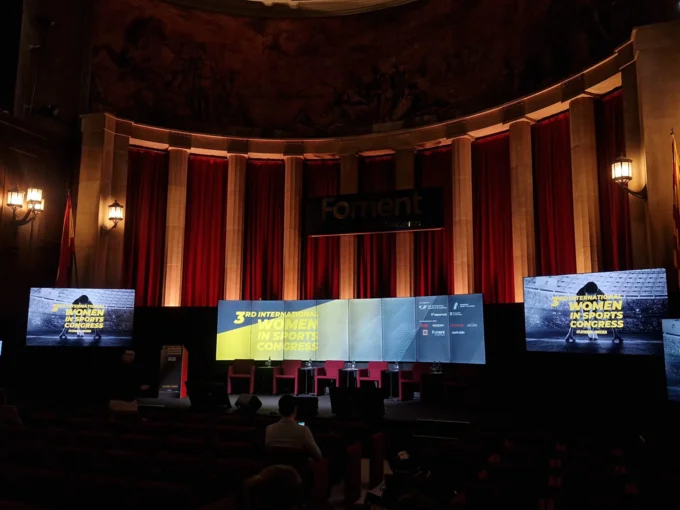
The keynote speech, “Mile After Mile, Equality is Written,” was delivered by Stephanie Case, a Canadian human rights lawyer, ultramarathon runner, and founder of Free to Run. In her address, she shared inspiring stories from her initiatives supporting girls and women in countries affected by war and conflict, demonstrating how sport can serve as a powerful tool for resilience, education, and empowerment, even in the most challenging circumstances.
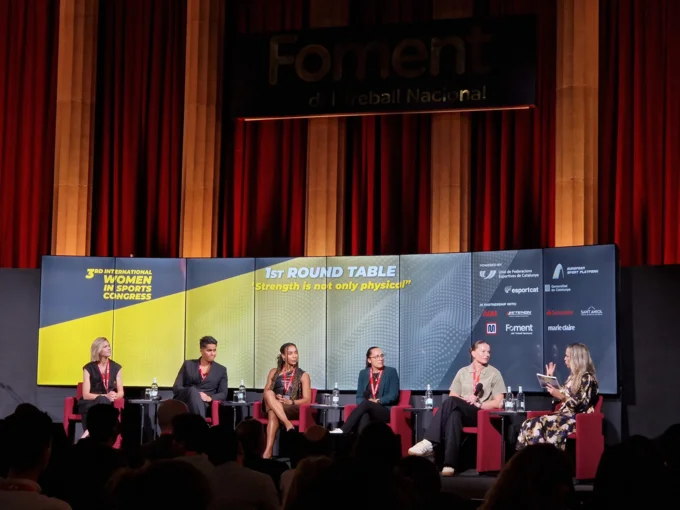
The first panel, “Strength is Not Only Physical,” moderated by Eli Carnice, explored non-physical dimensions of strength in sport. Panelists included Stephanie Case, Aziza Sbaity (Lebanon’s fastest woman), Amelia Valverde (women’s football coach), Abbie Ward (England Rugby Team World Champion), and Kaouthar Ouallal (eight-time African judo champion). Together, they shared personal stories and strategies to overcome barriers in sports and beyond.
Following the first panel, participants enjoyed a fit break, “The Art of Body Posture,” presented by Etenon from Eurofitness, which encouraged attendees to engage in physical exercises promoting posture, wellness, and movement awareness.
The second panel, “A Game of Equality – Sponsors for Women’s Sport,” featured Iza Restom (adidas Iberia), Patricia Ibarra (Bimbo), Magdalena Fraj (Marie Claire), and Anahi Gil (Rilastil), highlighting the importance of sponsorship in advancing women’s sport and sharing strategies for attracting and maintaining corporate support.
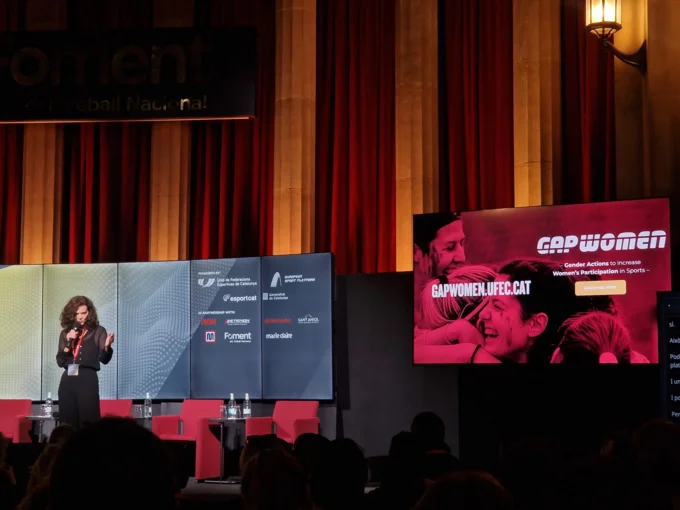
Between the second and third panels, Milena de Murga, Head of the International Department at UFEC, delivered a presentation on GAP Women, showcasing initiatives to promote gender equality and support women in grassroots sport across Europe.
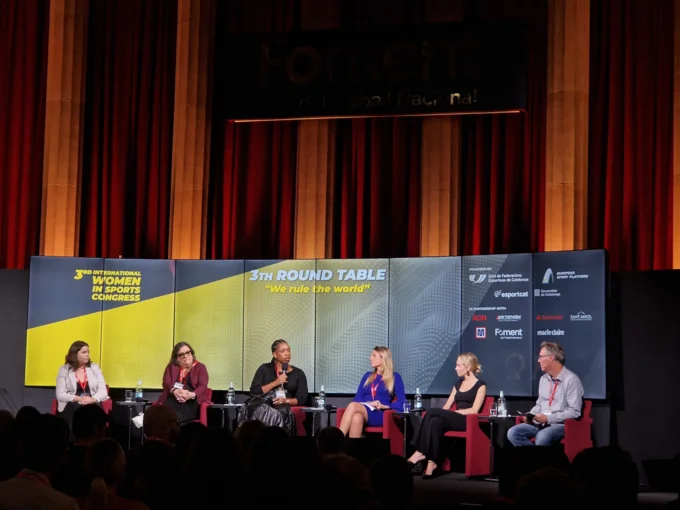
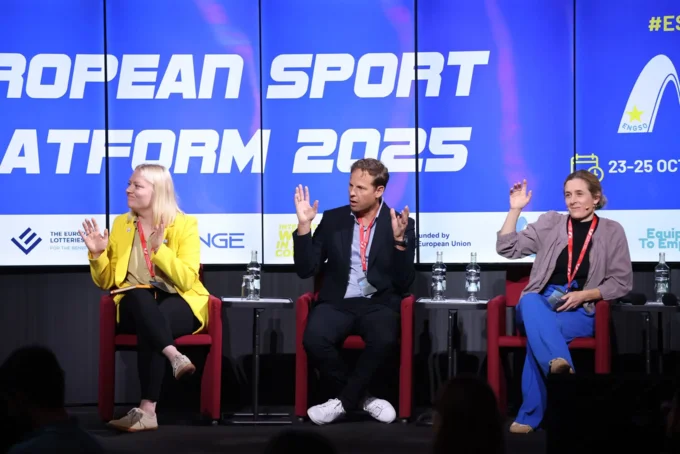
The third panel, “We Run the World,” moderated by Francois Roberge, celebrated women’s leadership and achievements in sport. Speakers Elena Fort (FC Barcelona), Victoire H. Cogevina Reynal (Mercury13), Eboni Usoro-Brown (England Netball), and Alexandra Gomez (FIFPRO) discussed strategies to overcome barriers, advocate for equality, and create inclusive environments for women and girls across the sporting world.
The day concluded with the Celebration of Women in Sport - WESE Graduation and the IWISC Awards, recognizing individuals and organizations making a significant impact on gender equality in sport.
The second day of ESP focused on innovation, governance, and the CHANGE project, which promotes integrity and good practices in grassroots sports. The morning sessions opened with an overview of the project led by Lovisa Broms, ENGSO Project Manager, followed by insights from Karin Book from Malmo University on how grassroots organizations are adapting to change.
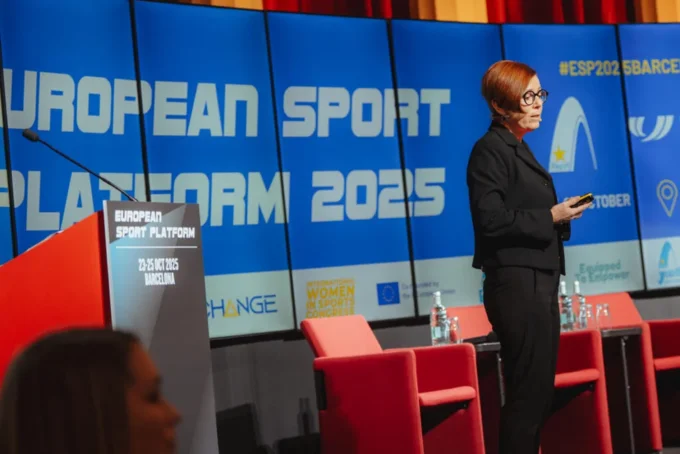
A panel discussion titled “Why CHANGE?”, moderated by Marisa Schlenker, featured Iva Glibo (sustainability researcher), Geoff Kohe (inclusion expert), Tiago Guilherme (ENGSO Youth), and Johan R. Norberg (sport policy expert). They explored challenges and opportunities for innovation and ethical governance at the grassroots level.
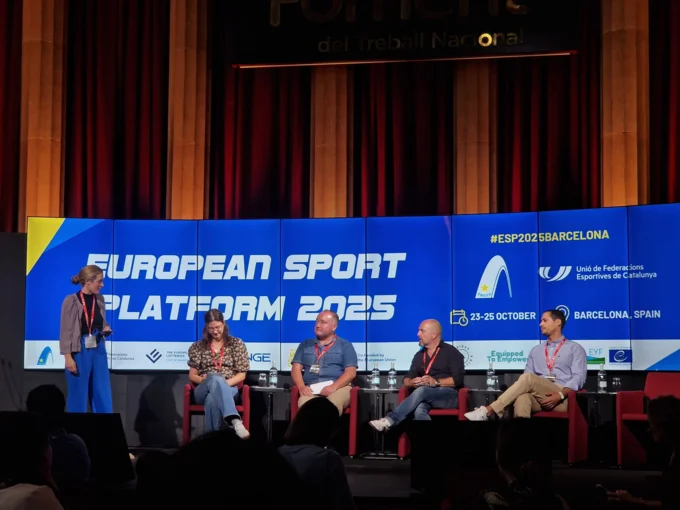
The “Provocations & Success Stories” panel, also moderated by Marisa Schlenker, included Tarja Krum, who focused on the safety of children in sport and shared ideas for creating secure environments; Stephane Schwander, who highlighted digitalization in equestrian sports; and Clara Lucia Tonnisen, who focused on sustainability initiatives in sport.
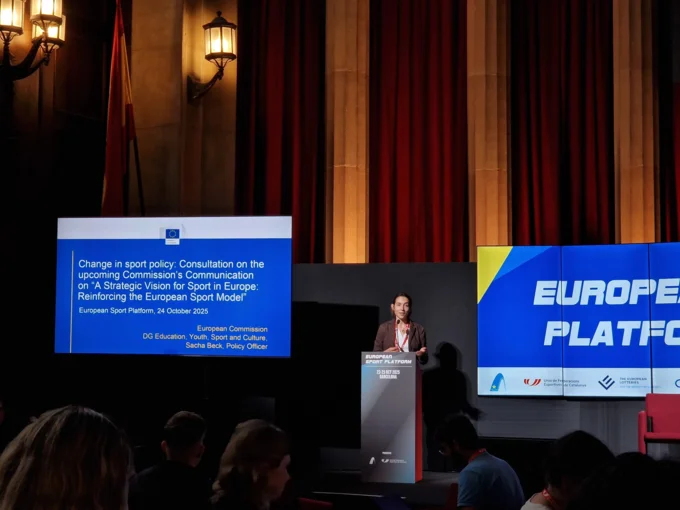
Later, the session “Change in Sport Policy: Official Consultation to Shape the European Sport Model” was moderated by Theo Neyenhuis (Chair, ENGSO EU Advisory Committee), with Sacha Beck (Policy Officer, European Commission Sport Unit) presenting. This session engaged participants in discussions on shaping the future European Sport Model and emphasized the importance of consultation, collaboration, and strategic input from grassroots stakeholders.
In the afternoon, workshops gave participants the opportunity to explore the practical aspects of the CHANGE project. During the Mind the Gap – Mend the Gap workshop, led by Josefin Wahlberg and Lovisa Broms, attendees explored ways to bridge gaps in governance and inclusion. In the Putting CHANGE on the Table workshops, participants worked in three thematic tracks: Sustainability, Digitalization, and Inclusion, using the CHANGE cards to identify relevant issues and prioritize them based on their potential impact, fostering collaborative problem-solving and hands-on engagement with the project methodology.
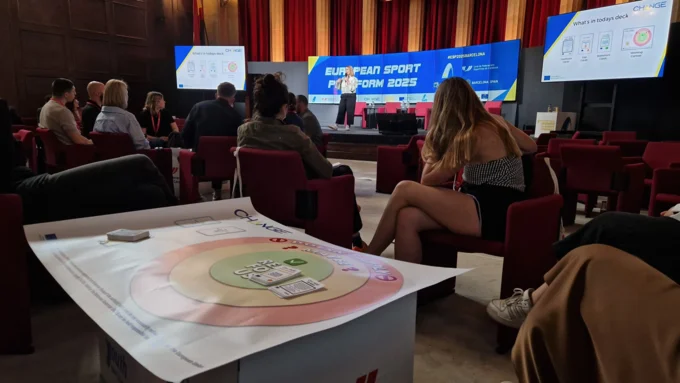
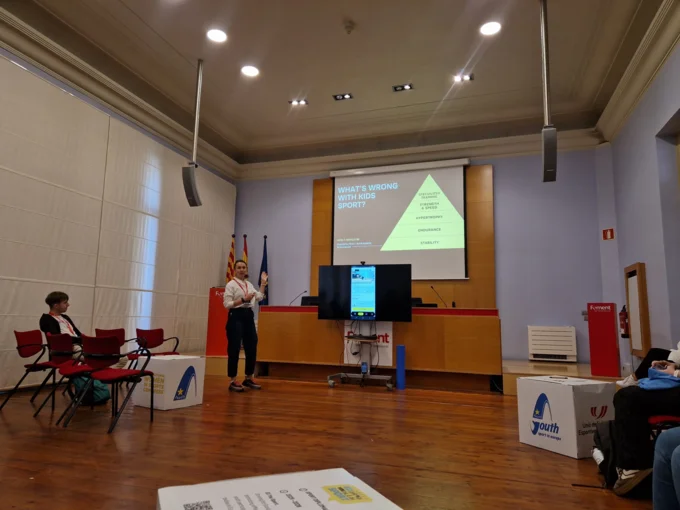
The day concluded with parallel sessions, featuring a session on digitalization in youth sport led by Lira Galieva from Peaksters, who showcased an innovative solution for children’s training, alongside another session on applying CHANGE principles within organizations, building on insights from the earlier workshops.
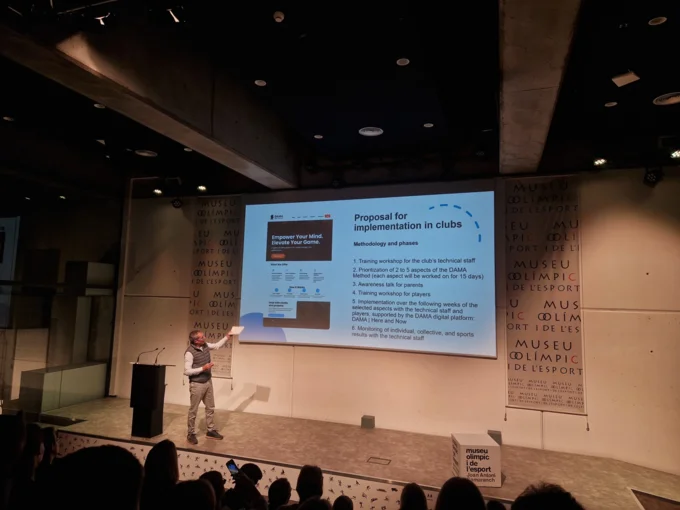
On the final day, participants gathered at the Joan Antoni Samaranch Olympic and Sports Museum in Barcelona. The program included a presentation on “The DAMA Method: Innovation in Team Management” by Joana Barbany, advisor at Humanzentric, and Oriol Gifra, CEO of Humanzentric, offering fresh approaches to improving teamwork and leadership in sports organizations.
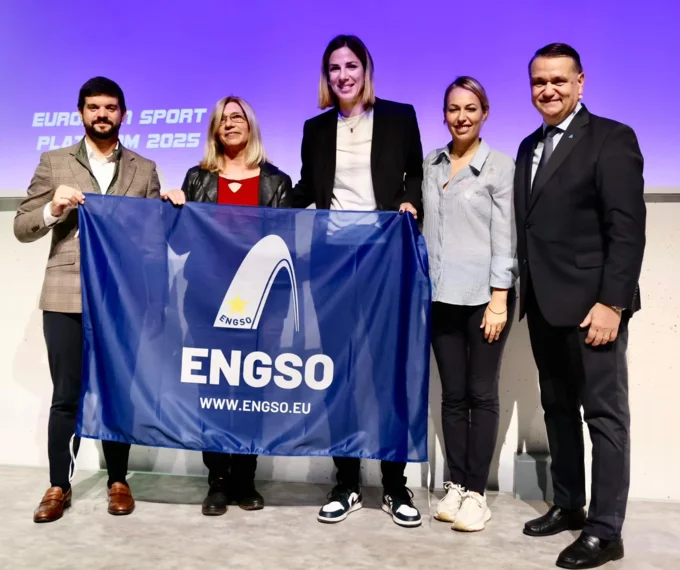
The closing session included reflections and thanks, acknowledging the contributions of the outgoing ENGSO Secretary General, Sara Massini, and expressing gratitude to UFEC for hosting and organizing the event. The ceremony also featured the flag handover to the next organizers, with the 9th European Sport Platform scheduled to take place next year in Split, Croatia.
The day concluded with a visit to the Olympic and Sports Museum, providing a memorable and interactive finale to the three-day event.
For more information, please see https://engso.eu/