
YouMind partner meeting and activities on mental health held in Munich
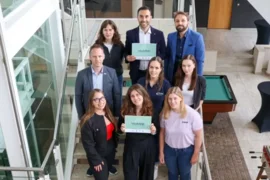
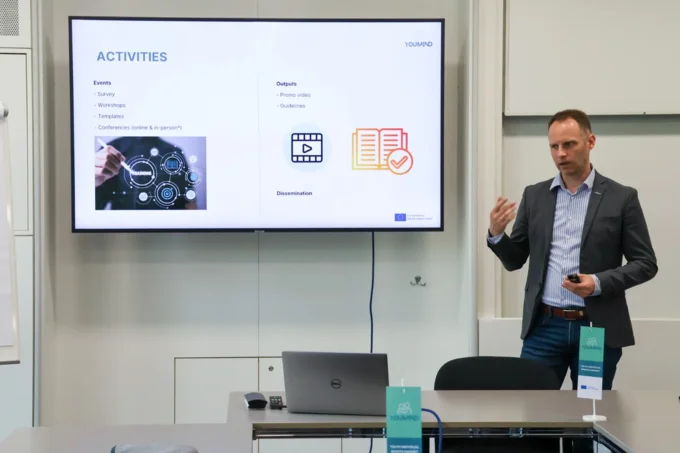
On June 5, 2025, during the European Youth Sport Platform (EYSP) in Munich, the final in-person meeting of the YouMind Project (Youth Individual Sports Mindset) marked a significant milestone in a two-year initiative dedicated to promoting mental health awareness among young people in sport.
The project meeting happened at the occasion of the European Youth and Sport Platform, organized by ENGSO Youth. The event also served as the final conference of the project. Under the theme “Does sport life look like a TV series? Let’s talk. Mental health in modern (sport) societies.” aslo he YouMind project was highlighted for its innovative and inclusive approach to supporting mental well-being among young people.
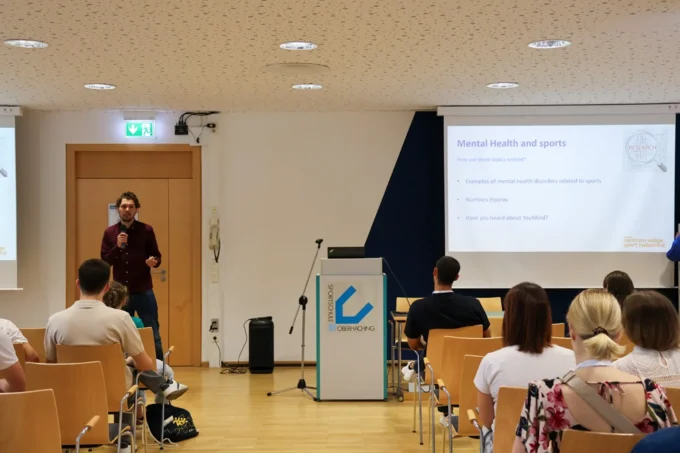
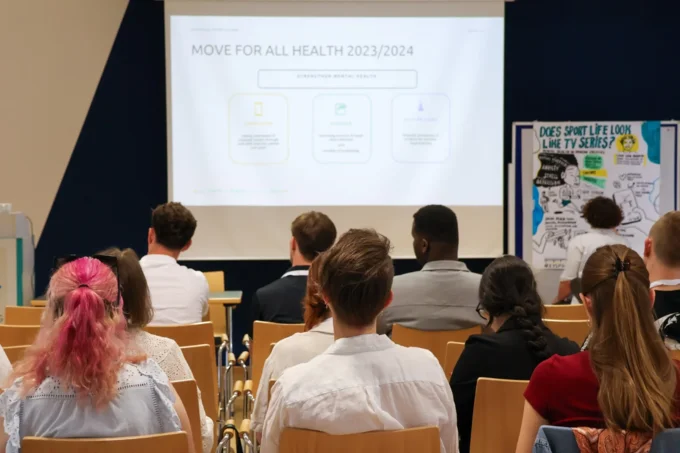
Apart of the plenary session in Munich, also parallel workshops on mental health were provided for the participants.
The project provided young people and athletes with the opportunity to experience, explore, and better understand the topic of mental health. It served as a valuable starting point for raising awareness and encouraging participants to take better care of their mental hygiene, laying the foundation for long-term positive change.
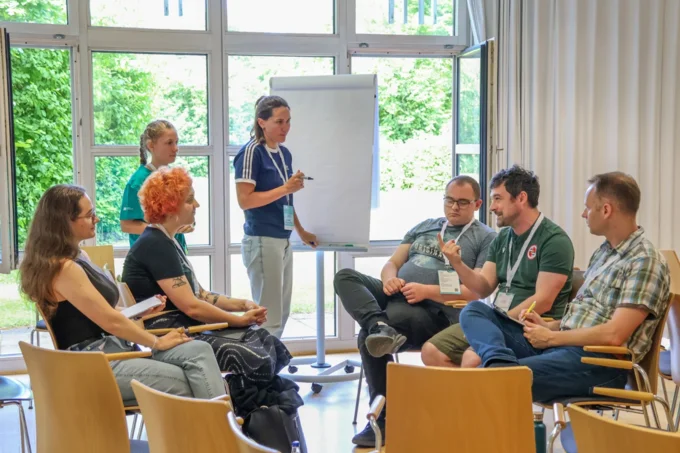
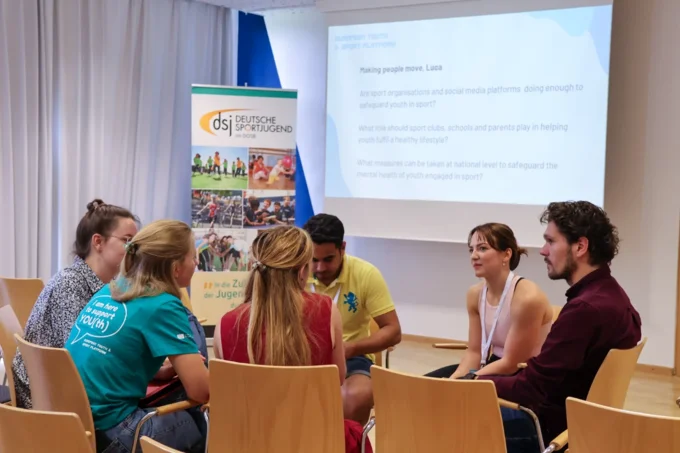
Launched in January 2024 and running through December 2025, the YouMind project brought together a diverse partnership of European NGOs and university sport clubs to address mental health challenges in athletic environments and empower youth to speak up and seek support.
The YouMind project was designed to raise awareness about the importance of mental wellbeing in sport and to explore how mental health issues can affect not only performance but also the personal lives of young athletes. Through a series of workshops, surveys, and blended learning activities, the project created spaces for discussion, education, and reflection. Young athletes were invited to share their experiences, develop coping strategies, and connect with others in a safe and understanding environment. Guidelines and Video will be officially launched in the next weeks, so stay tuned!
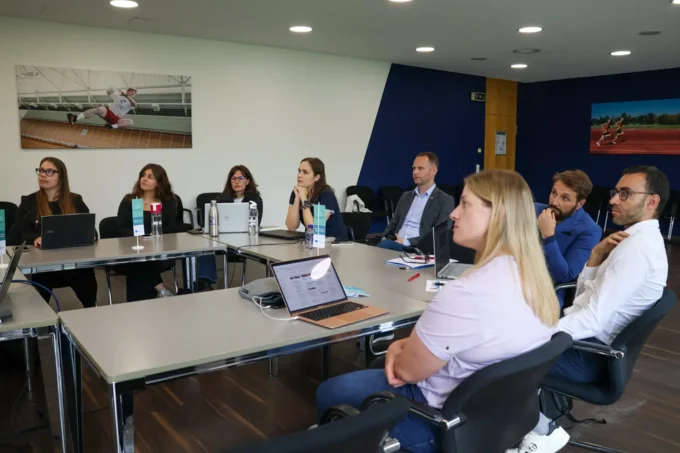
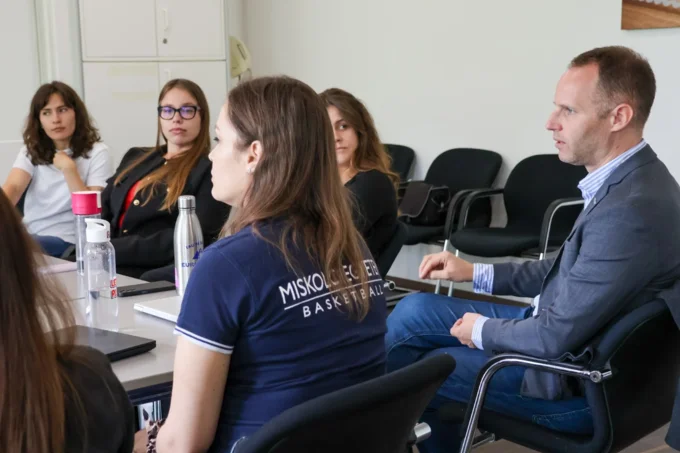
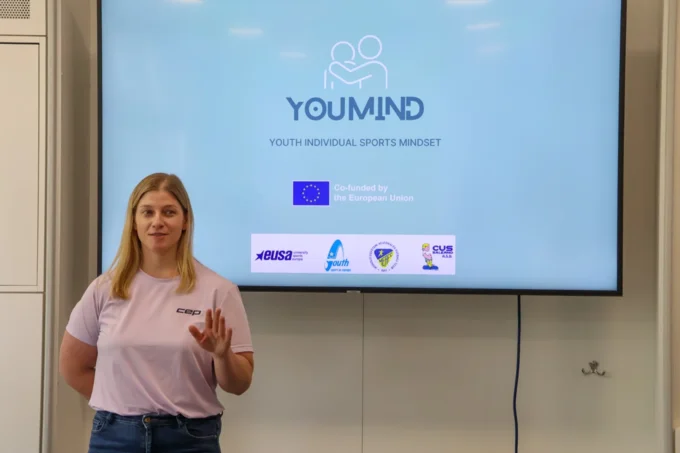
Partners in the project included two major European NGOs - EUSA (European University Sports Association) Institute and ENGSO Youth (Youth section at the European Non-Governmental Sports Organisation), as well as university sport clubs from Salerno and Miskolc. Despite being a small cooperation partnership, the project featured a wide geographical and cultural range of local workshops hosted in Miskolc (HUN), Salerno (ITA), Ljubljana (SLO), and Vilnius (LTU), each tailored to different target groups and environments.
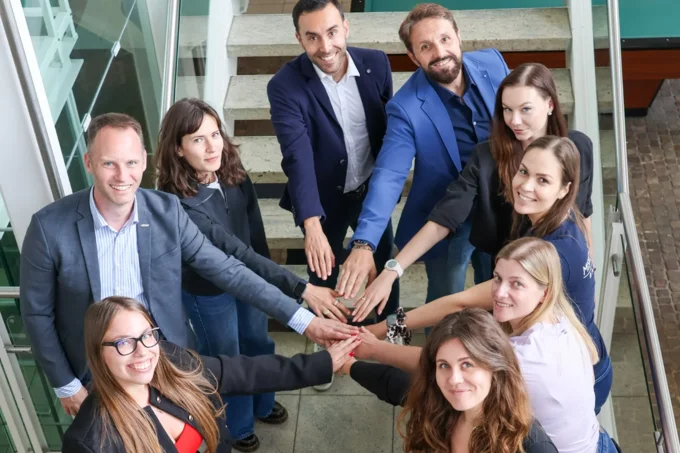
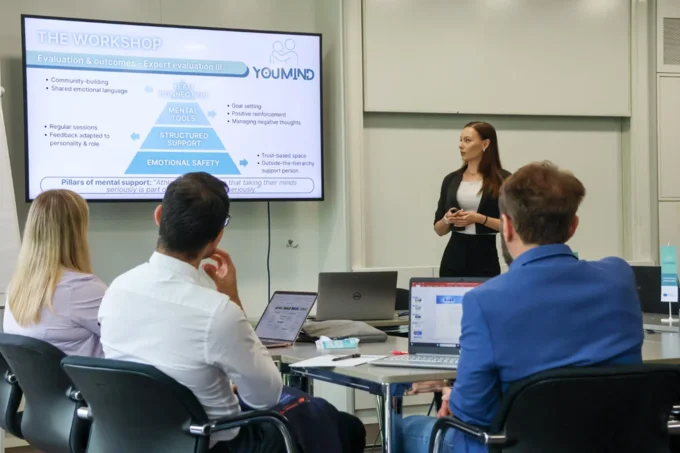
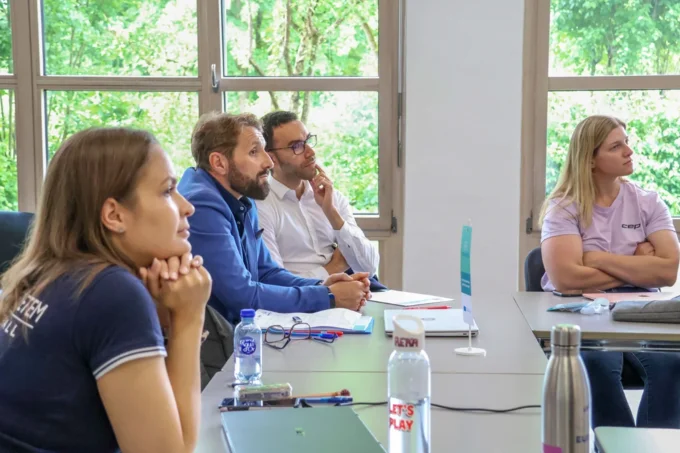
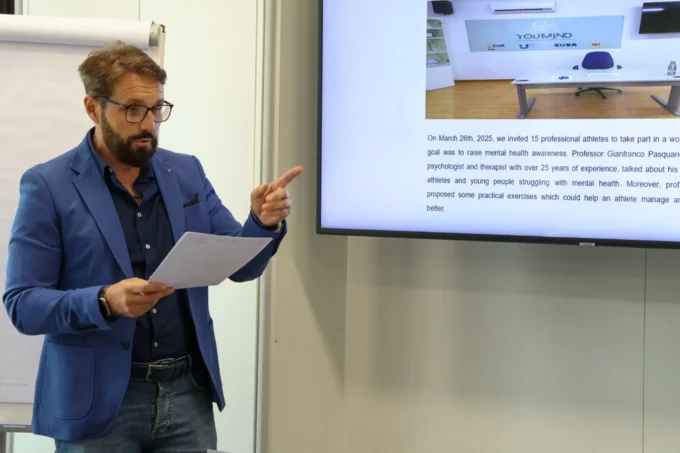
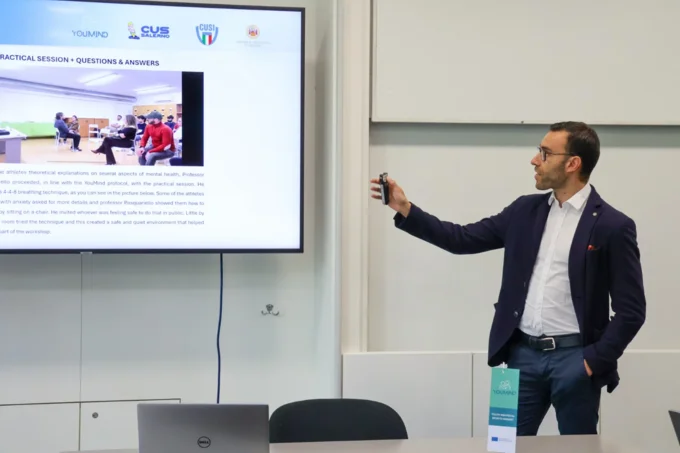
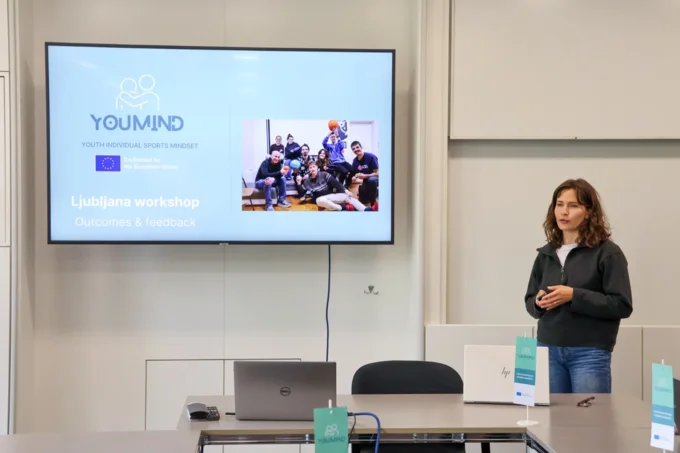
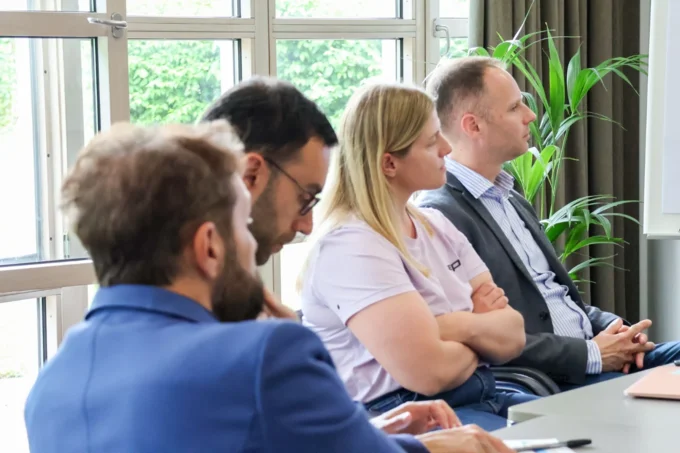
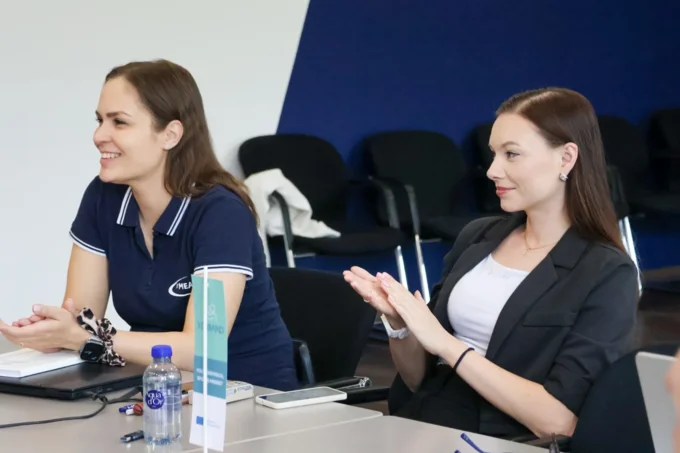
At the project meeting, all project partners had the opportunity to present the results and outcomes of their workshops, implemented in their countries.
In Miskolc, Hungary, the workshop was held with the MEAFC university volleyball team. The session took place in an informal, safe setting without coaches or staff present to encourage openness. Ten players aged 18 to 30 participated in a four-hour session covering general mental health knowledge, self-awareness, common fears and challenges, and practical strategies for emotional management. An expert led the session, incorporating warm-up activities, self-assessment tasks, and group reflections. Participants acknowledged the difficulty of asking for help due to fear of judgment, but the workshop successfully opened the door for deeper conversations. One of the most appreciated elements was the expert’s introduction of the “Mental Health Support Pyramid” and the “Gen Z Mindset Map,” which emphasized emotional safety, team support, and accessible mental tools.
The workshop in Salerno, Italy, had a profound impact on participants’ personal and athletic lives. Initially designed for 15 professional athletes, the final number reached 18, all of whom engaged in open discussions guided by a psychologist. Topics included breathing techniques such as the 4-4-8 method, the difference between a mental coach and a psychologist, and strategies to embrace emotional vulnerability. Creating a safe environment proved essential, and many athletes expressed gratitude for the rare opportunity to talk freely about mental health. The success of the workshop encouraged local organizers to plan for similar events in the future.
In Ljubljana, Slovenia, the approach shifted toward experience-sharing rather than performance focus. Held at a youth center with a small international group of participants aged 19 to 30+, the session emphasized sport as a recreational and social tool. The group explored motivations, mental barriers, and the role of sport in building identity and resilience. Participants exchanged stories and critically reflected on the mental aspects of their athletic and personal journeys, offering valuable insights beyond elite competition.
In Vilnius, Lithuania, the workshop was held in collaboration with the national field hockey association. The session involved amateur male athletes aged 18 to 33, who were preparing for a competition. Led by a sports psychologist, the workshop focused on how to manage anxiety and recognize emotional responses to pressure. Although participants found the tools helpful, cultural and gender norms made it difficult for some to fully express their feelings. This highlighted the ongoing need to normalize mental health conversations across different contexts.
Throughout the YouMind Project, partners worked together to collect data, analyze feedback, and develop educational guidelines aimed at coaches, athletes, and institutions. These guidelines encourage inclusive practices, self-awareness, and proactive engagement with mental health. In addition to the printed materials, a promotional video is being produced to help raise awareness and share the project’s key messages widely.
The YouMind Project has shown that meaningful change can be achieved through cooperation, open dialogue, and dedicated spaces for learning and sharing. By providing young athletes with tools, support systems, and a voice, the project has helped break down stigma and pave the way for a healthier, more empathetic sports culture. The final online meeting, scheduled for later in 2025, will focus on wrapping up the dissemination phase and discussing how to sustain the project’s impact beyond its formal end.
Mental health in sport matters. With continued effort, collaboration, and awareness, we can build sporting environments where young people thrive, both physically and mentally.
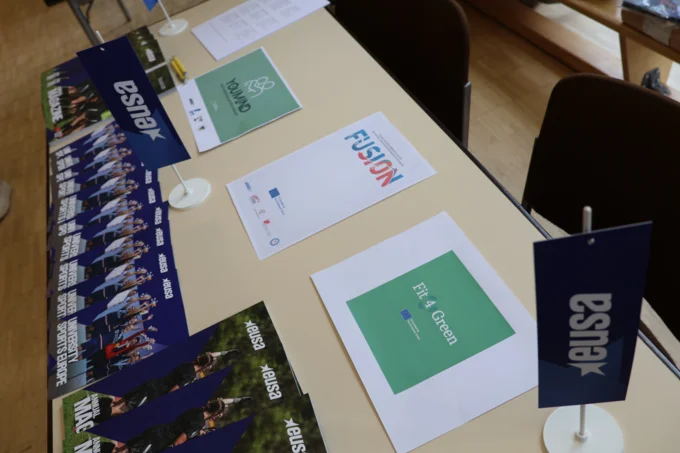
In addition to the conference, YouMind was also exhibited at the fair of organizations, where the European University Sports Association (EUSA) presented the breadth of its work and the diverse range of projects it leads. This platform provided a valuable opportunity to exchange best practices, foster collaboration, and raise awareness about the importance of mental health in youth and sports environments.
This YouMind project is co-funded by the European Union. Views and opinions expressed are however those of the author(s) only and do not necessarily reflect those of the European Union or the European Education and Culture Executive Agency (EACEA). Neither the European Union nor EACEA can be held responsible for them.
For more information about the project, please see https://youmind.eusa.eu.